TL;DR – F-150 Fuse 27 Relocation
- The Problem: On 2009–2014 F-150s (all engines) and 2010–2014 Raptors, the factory fuel pump circuit runs through Fuse 27 in the underhood Battery Junction Box. Over time, that cavity can overheat, melt, and cause crank/no-start issues.
- The Fix: Install a Fuse 27 relocation kit, which moves the fuel pump fuse to a new, more reliable location in the junction box with upgraded terminals.
- Symptoms: Crank/no-start, intermittent stalls, burnt plastic smell, melted fuse cavity, fuel pump not priming.
- Install Time: ~1–2 hours with basic hand tools (pick/de-pin tool, crimper, heat shrink, sockets).
- Result: Reliable fuel pump power, prevention of future no-start issues, and peace of mind for your F-15o or Raptor.
- Shop the Fuse 27 Relocation Kit
What Is the F-150 Fuse 27 Relocation Kit?
Ford’s Technical Service Bulletin (TSB 15-0137) highlighted that the original Fuse 27 location in the underhood junction box can overheat under load, leading to melted terminals, stalling, or a crank-without-start condition.
The solution is to move the fuel pump circuit to a new fuse cavity that can handle the amperage demand. This relocation kit does exactly that—providing an updated fuse position, larger-capacity fuse, and improved terminals designed to eliminate the weak point in the factory design.
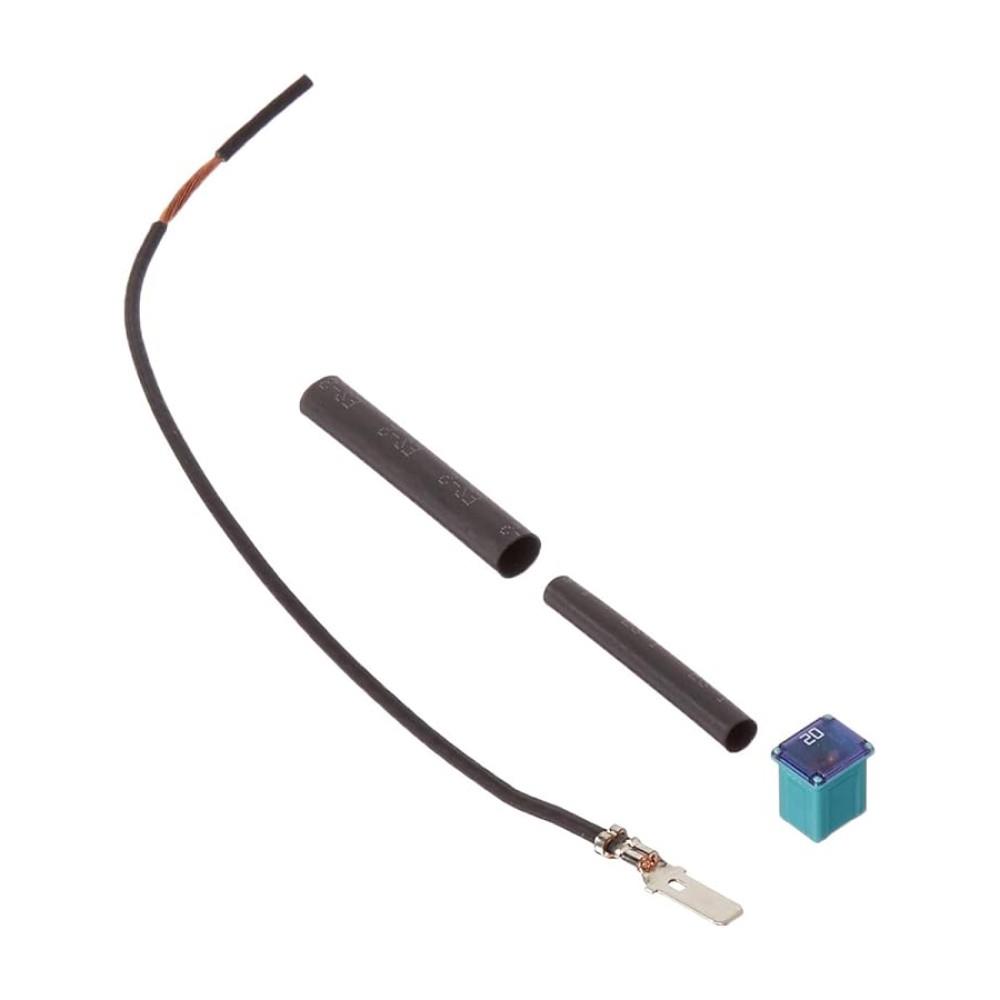
Each kit comes complete with a pre-terminated extension harness, heat-shrink tubing, the updated fuse, and step-by-step instructions to guide you through the installation. It’s a straightforward upgrade that protects your Raptor’s electrical system and keeps your truck reliable for years to come.
Why Fuse 27 Fails
Fuse 27 failures on certain Ford F-150 models are typically caused by excessive current draw, short circuits, or weak connections in the fuel pump circuit. The small factory fuse can generate significant heat under load, which may melt the plastic housing, break electrical contact, and lead to repeated no-start or stalling issues.
Which F-150 and Raptor Years Are Affected
The Fuse 27 issue affected some 2009-2014 F-150 models, including the Ford Raptor, according to the
NHTSA TSB 15-0137. While not all F-150s will be affected, it is good insurance to install this relocation to prevent further issues down the line.

Common Symptoms of a Fuse 27 Issue
Since the Fuse 27 is a fuel pump fuse, the symptoms of this issue can vary depending on the vehicle and the severity of the melting. The F-150 Fuse 27 Issue can present the following symptoms:
- DTC Codes (P0230, P0231, P0232)
- Crank/No Start
- Intermittent Stalling
- Hard Starts
- No Fuel Pump Prime Sound
- Melted Or Discolored Fuse Cavity
- Loose Fuse Fit
- Burnt Plastic Smell
How to Confirm It’s Fuse 27
If you suspect that you have an issue with Fuse 27 on your F-150, there are a few ways you can confirm:
Look For DTCs (Diagnostic Trouble Codes)
- P0230, P0231, P0232 → Fuel Pump Primary Circuit codes.
- Fuel pressure/lean codes if the pump intermittently loses power.
Inspect The Fuse Box
- Locate the Battery Junction Box (BJB) under the hood on the passenger side.
- Remove the cover and find Fuse 27 (fuel pump fuse).
- Look for discoloration, melted plastic, or heat damage around the fuse cavity.
- Wiggle the fuse; if it fits loosely, the terminals may have lost tension.
Listen For Fuel Pump Prime
- Turn the key to the ON position (don’t crank).
- Normally, you should hear a faint buzz/whir from the fuel pump priming for 2–3 seconds.
- If it’s silent, and the truck cranks but doesn’t start, Fuse 27 could be at fault.
Test with a Multimeter/Test Light
- With the key ON, check for voltage at Fuse 27 using a multimeter or test light.
- No voltage = no power being delivered to the pump circuit.
- Intermittent power (flickering or dropping out) often means poor contact due to overheating or loose terminals.
Frequently Asked Questions
Q: What years of F-150 are affected by the Fuse 27 issue?
A: Most 2009–2014 F-150 models and 2010–2014 Raptors are affected, since they share the same fuse box design.
Q: What are the main symptoms of a bad Fuse 27?
A: Common signs include crank/no-start, intermittent stalling, no fuel pump prime sound, and sometimes a melted or discolored fuse cavity.
Q: How does the relocation kit fix the problem?
A: The kit moves the fuel pump circuit to a stronger fuse slot with upgraded terminals and a higher-capacity fuse, eliminating the overheating issue.