


All Mustang Parts
Firstly, a “hatchback” is defined as a car with a sloping, hinged rear door that opens upward. So instead of the vehicle having a trunk, the interior continues behind the rear seat as more cargo space, which makes the entire rear open up like a hatch. Additionally, if the angle of the hatch is lower than 30 degrees it may be referred to as a liftback, but it’s basically the same function. Hatchbacks can also come in 3 or 5 door variants.
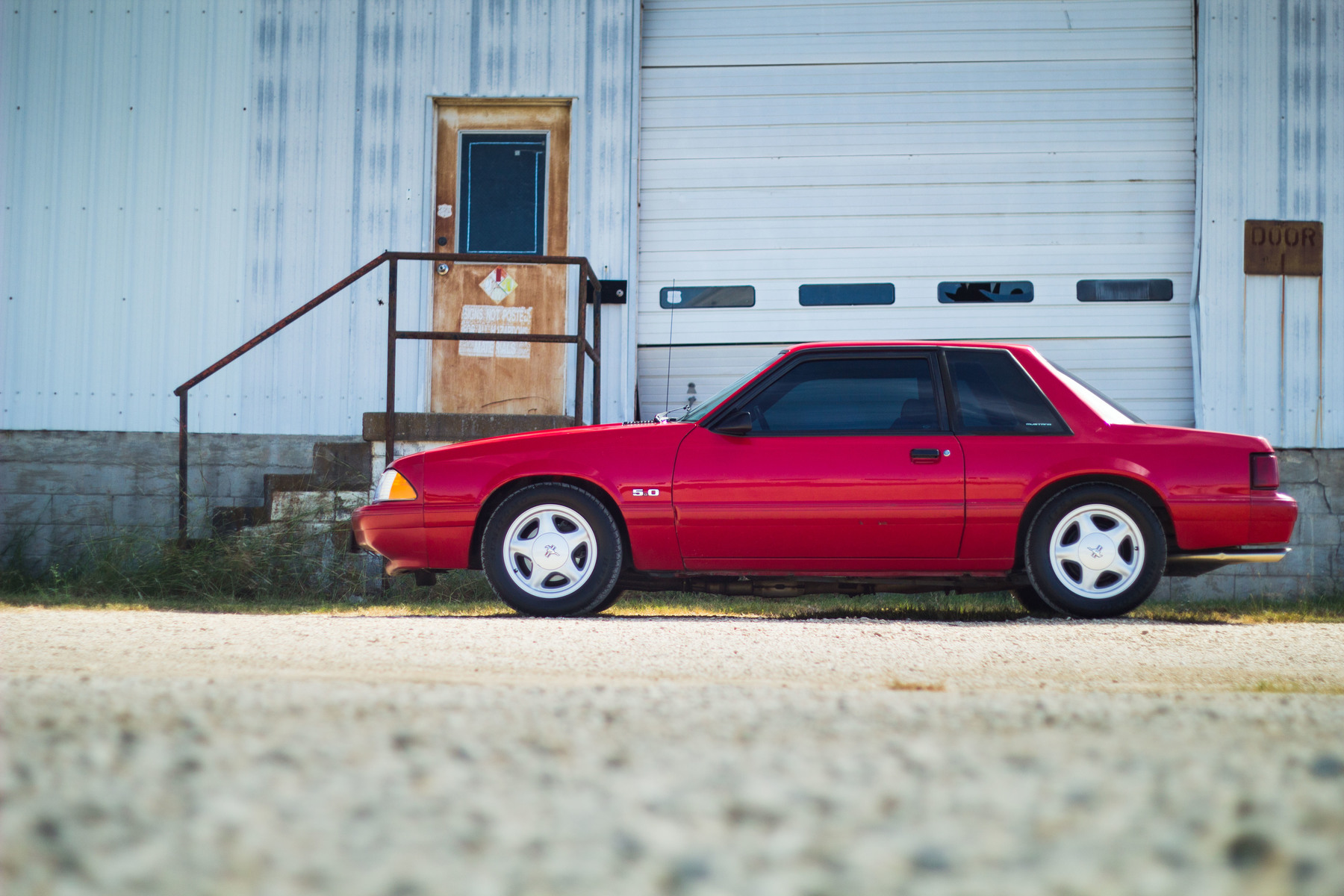
A “fastback” is defined as a car having a continuous slope from the roof to the rear. It also has a short trunk lid, but it isn’t your basic hatch. On most modern fastbacks, the rear window is sloped with the roof. This is contrasted with a notchback, which is more upright and has a longer trunk lid. Fastbacks were popular in the late 60s and early 70s, but notchbacks took over in the late 70s and much of the 80s because they were more spacious.
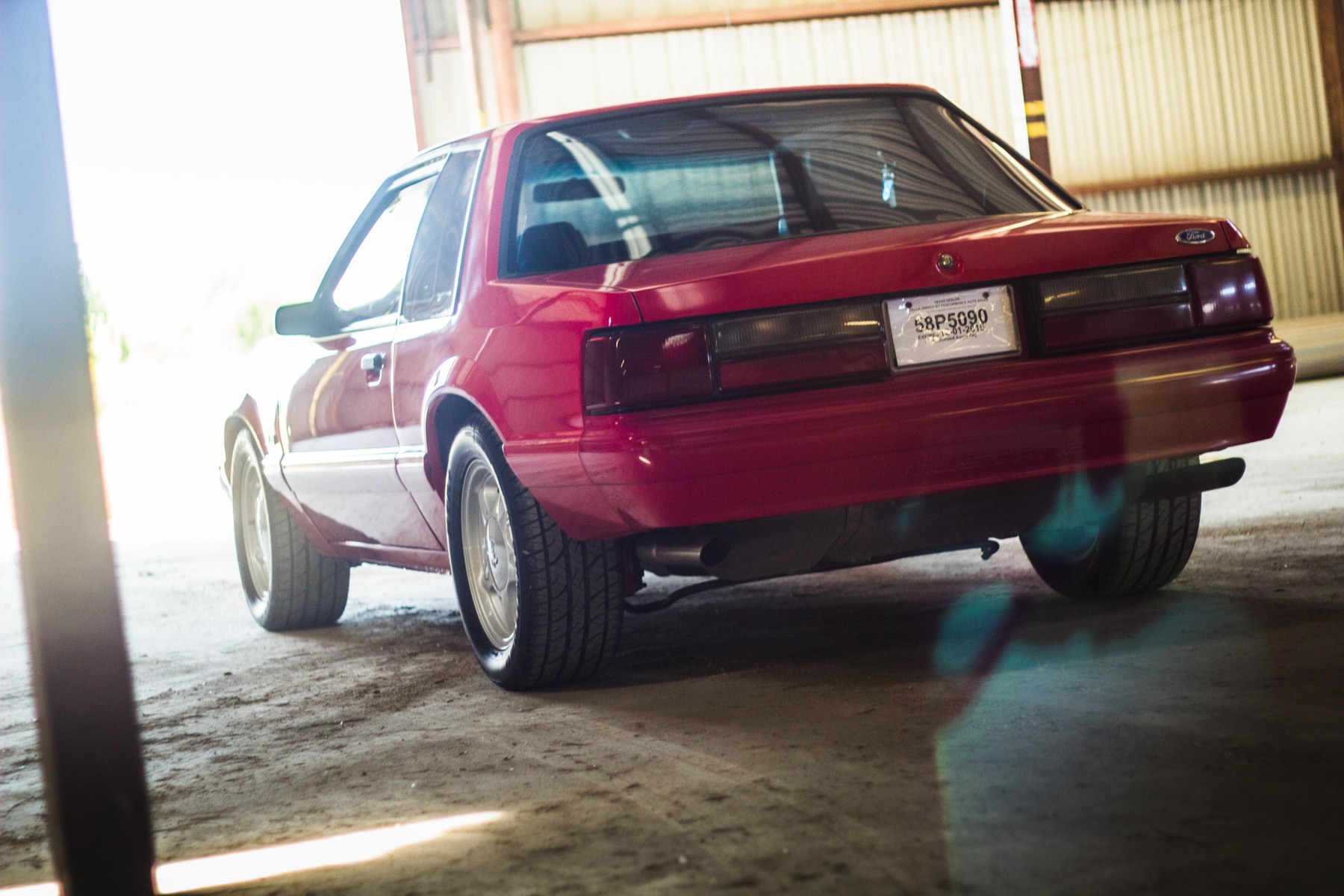
With this body style, the glass is fixed and there is a trunk in place of where the removable hatch is located. The rear window and trunk are independent of each other. This means that you don’t have to deal with the glass when entering the cargo area. This helps with safety as a wheel because it keeps items hidden from thieves so this trunk setup is certainly more ideal than a standard Mustang coupe. Also, notchbacks are safer when it comes to racing purposes because of the body design. This is in contrast to the hatch design where at times Mustang owners will complain of their rear hatches randomly opening at launch on the drag strip. Even though the large hatch on the rear makes the hatchback more practical for more storage space, it isn’t the ideal setup for racing. With notchbacks, this is set up for better speeds and a lighter-weight design. This roughly 100lbs in weight that you save from switching to a notchback could give you the competitive edge you need for that performance edge.