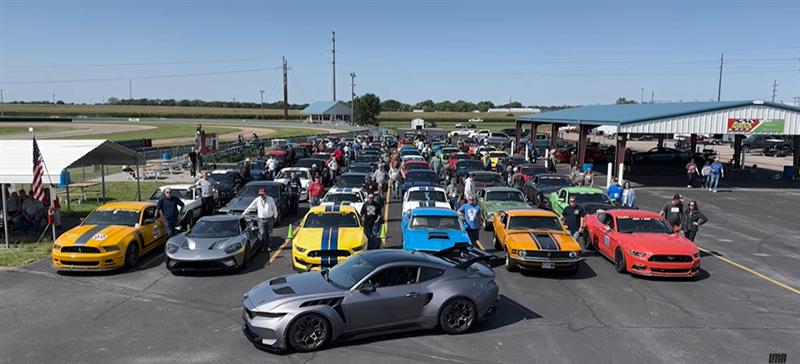
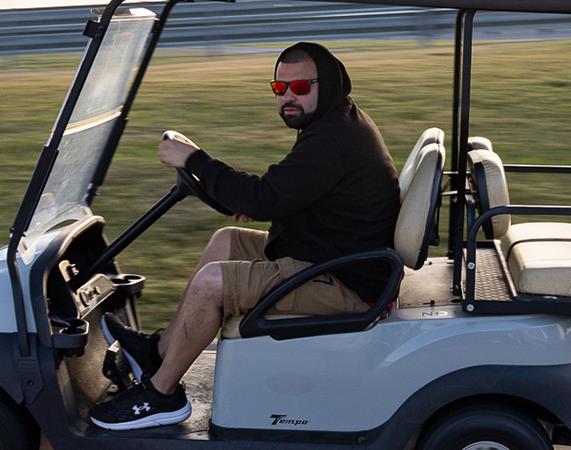
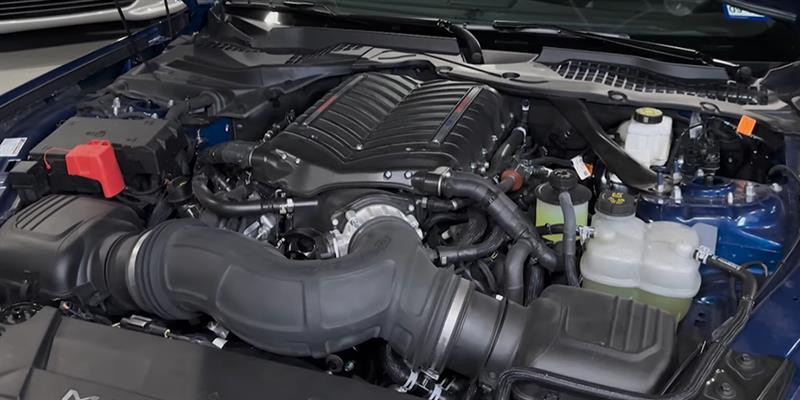
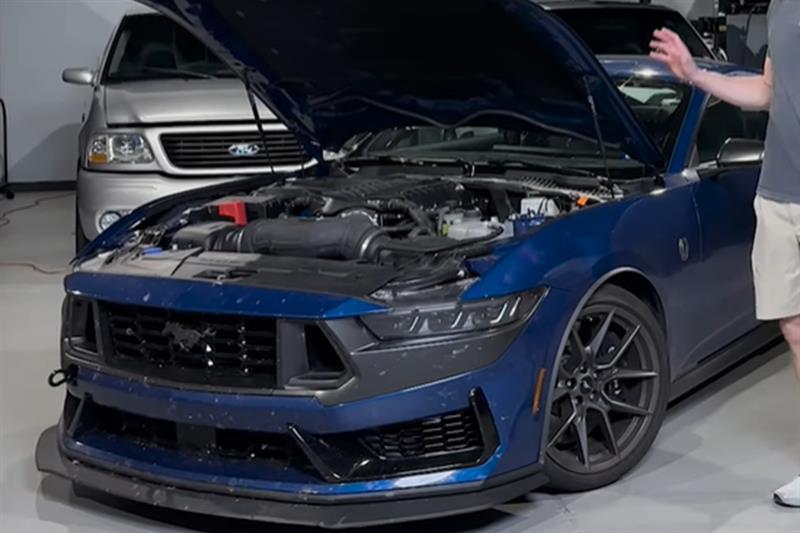
We're back at the track and this time it's with our 2024 Dark Horse Mustang with the Ford Performance Whipple supercharger. Ever since the supercharger was installed, we wanted to get the on track and see how it performed. The time finally came and the track debut for the Dark Horse happened at the Mustang Roundup & Fast Fords XV event at Motorsports Park Hastings located in Hastings, Nebraska. In this video, Landan talks about the trip and his thoughts on the Dark Horse's track debut.
Product Links
WatchThe journey began with an early morning departure from Waco, Texas, including a stop at Buc-ee's in Hillsboro, before heading north to Motorsport Park Hastings in Nebraska. The drive took roughly 9 to 12 hours, factoring in multiple stops along the way. Traveling in a convoy with other LMR employees and their vehicles added to the camaraderie of the trip. The return journey was similarly long, around 10 hours, making the total round trip approximately 1,500 miles over 3 to 4 days. Despite the long hours behind the wheel, the Darkhorse Mustang proved exceptionally comfortable, even for taller drivers, making the extended drives both manageable and enjoyable.
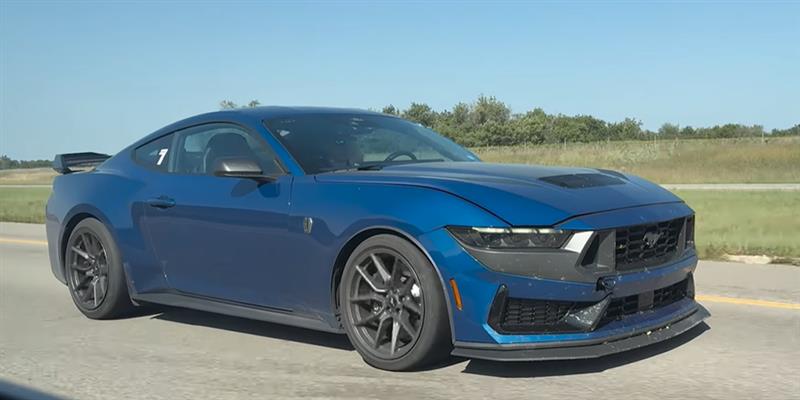
At Motorsport Park Hastings, the 2024 Darkhorse Mustang, equipped with a Ford Racing supercharger, required minimal preparation to get on track. The team adjusted the camber plates, checked tire pressures (starting at 32 PSI cold), and fueled the car with 100-octane fuel for optimal performance. The first session served as a shakedown, helping us reacclimate after a three-year hiatus from track driving. While initial laps showed a slight reduction in power due to engine heat management, the car performed smoothly. By the second session, lap times improved by approximately half a second, demonstrating both the car’s capability and our growing comfort with the track.
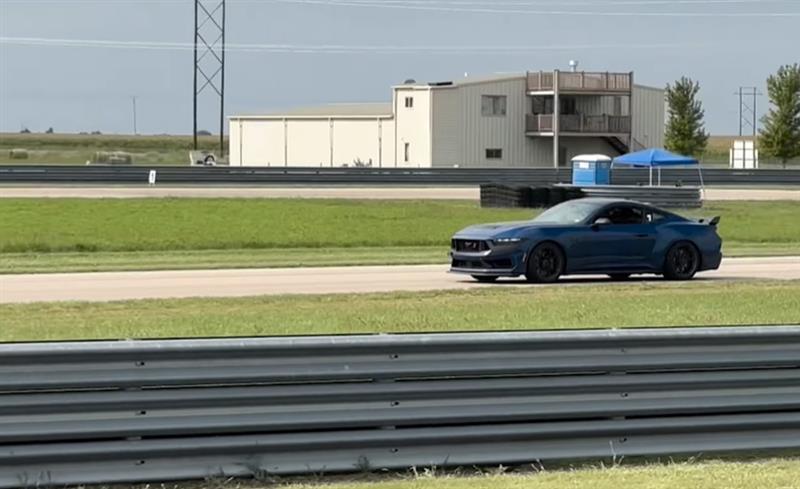
The Darkhorse’s performance on track was impressive and consistent. Temperatures during sessions averaged around 200°F for oil, 190°F for the axles, and 220°F for the cylinder heads. Two minor engine codes appeared: P0217 for engine coolant overtemperature and P0430 for catalyst efficiency, but neither affected drivability. Overall, the car’s factory handling pack and supercharger allowed it to perform admirably with minimal modifications. For optimal track safety and performance, harnesses were recommended to secure the driver more tightly in the seats, although otherwise the vehicle was ready to deliver an engaging driving experience right out of the box.
Several key lessons emerged from the track experience. We found that raw power alone does not necessarily translate into faster lap times; familiarity and comfort with the car and track were crucial factors. Despite accumulating bug marks, rock chips, and a minor windshield crack over the long trip, the car remained enjoyable and functional, emphasizing that real-world track driving inevitably leaves its marks. The extensive mileage and 21-plus hours of driving highlighted both the vehicle’s comfort and reliability. Fuel costs for the trip totaled around $600, with a significant portion spent on high-octane fuel for the track sessions, illustrating the real investment involved in such automotive adventures.
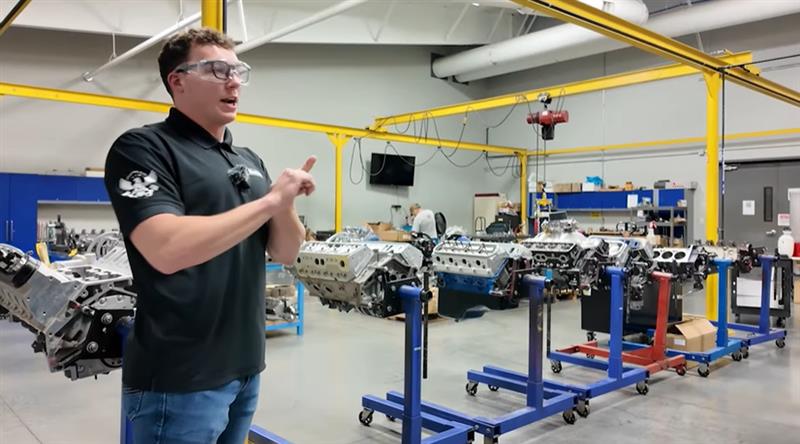
Beyond the track, the trip included a visit to Blueprint Engines in Nebraska, where the team received a comprehensive tour of the facility, showcasing some of the products they sell through LMR. The event also offered a chance to see a base GTD Ford Racing car in action, even though it was limited by corded tires. Importantly, the trip underscored the value of grassroots automotive events, where enthusiasts can connect, share experiences, and enjoy cars in a relaxed, communal environment. The experience reinforced the philosophy that enjoying cars is as much about the people, the trips, and the shared moments as it is about raw performance metrics.