A Mustang engine's valve covers are an important part of the engine assembly. They are exactly as they sound, a set of covers that cover the valvetrain of the engine. Valve covers not only give character to your engine bay but also serve other major purposes. In this guide, we will go over the purpose of the valve covers, types of covers, and key factors for choosing the right set for your Mustang!
What Are Valve Covers & What Do They Do?
These covers, which are placed over the engine's cylinder heads, seal the engine's upper section, shielding the valve train from impurities, dirt, and debris. Additionally, they help keep engine oil contained so that it doesn't splash out when the engine is operating.
Valve covers also play a crucial role in ventilation. They typically include a PCV (positive crankcase ventilation) valve, which helps release harmful gases that build up in the crankcase. This helps maintain proper pressure levels and supports smooth engine operation. Additionally, valve covers ensure proper oil circulation and help prevent leaks, contributing to the engine’s efficiency and preventing potential damage.
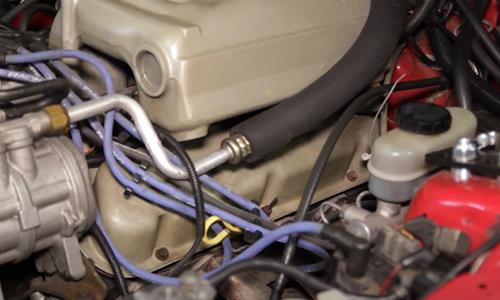
Types Of Fox Body Valve Covers
There are two main types of valve covers: short and tall. Short valve covers are commonly used when running a stock or factory intake. While
short covers clear most roller rockers, they will not typically clear aftermarket girdled-style rockers for stud-mounted applications. These valve covers are ideal for setups that are using stock intakes along with a stock-style valvetrain.
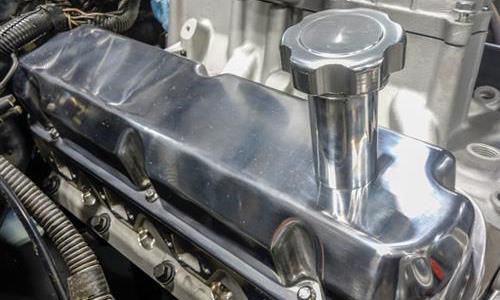
Tall valve covers are a great option for setups using aftermarket roller rockers that are not compatible with short or stock valve covers. The
tall covers will generally clear most roller rockers and offer additional valvetrain clearance. The downsides to tall valve covers will be possible clearance issues with throttle linkage and intake fitment.
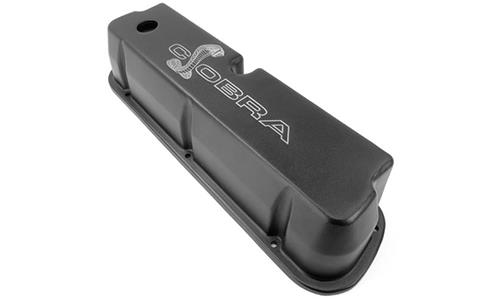 Always check the clearance of your rocker arms to the valve covers before starting the engine. Failure to do so may result in damage to the valve covers and/or valvetrain!
Key Factors To Consider When Choosing Valve Covers
Knowing your valve clearance will help you narrow down the style of cover you need. High-lift
camshafts,
shaft-mounted rockers, or girdled-style rockers will require more valvetrain clearance than factory or OE-style valvetrain components and would need tall valve covers for this type of setup.
Aftermarket heads may also require a specific style valve cover so you will need to know what cover your particular heads are designed for.
Intake manifold clearance can also affect valve cover selection. Tall valve covers usually require an intake spacer or an aftermarket intake manifold to accommodate their added height. Running the wrong cover and intake combination will lead to interference, clearance, and throttle linkage issues.
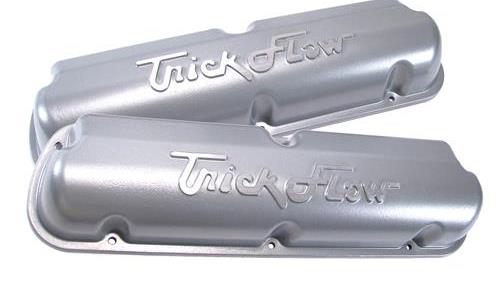
The locations of the breather, PCV, and oil fill will also need to be considered. Some valve covers may not fit the stock PCV system or relocate the oil fill location, which can cause other routing issues. Some valve covers do not feature the holes for the oil fill and will require drilling such as the
silver or
black Trick Flow valve covers.
FAQ's
Do I need taller valve covers with a mild cam upgrade?A mild cam upgrade typically doesn't require tall valve covers unless you're also upgrading to full roller rockers or shaft-mount rockers, which need additional clearance. It is always best to measure clearance for fitment testing and prior to running the engine to prevent damage. This can include internal oil baffling and the casting of the cover to ensure proper clearance for the rocker arms being used. Check out our
article on what the best camshaft is for you!
Can I reuse my old valve cover gasket?Some valve cover gaskets, such as our
SVE valve cover gaskets, are reusable; however, not all gaskets are. If yours appear to be fairly compressed, torn, or leaking, then it would be best to replace them with a new set.
Where should my oil fill and PCV/breather be located?On most Mustang applications, the
oil fill cap is located on the passenger side valve cover. Below the fill cap will be the tube end for the PCV hose that runs back to the throttle body.