
Benefits
- Replaces a Faulty Or Cracked Regulator
- Regulates Fuel Tank Pressure
- Prevents Emission Failures
- Restores Fuel System
Features
- Factory Specifications
- Correct Hose Fittings
- Plastic Construction
- Fuel Resistant Materials
What's in the Box
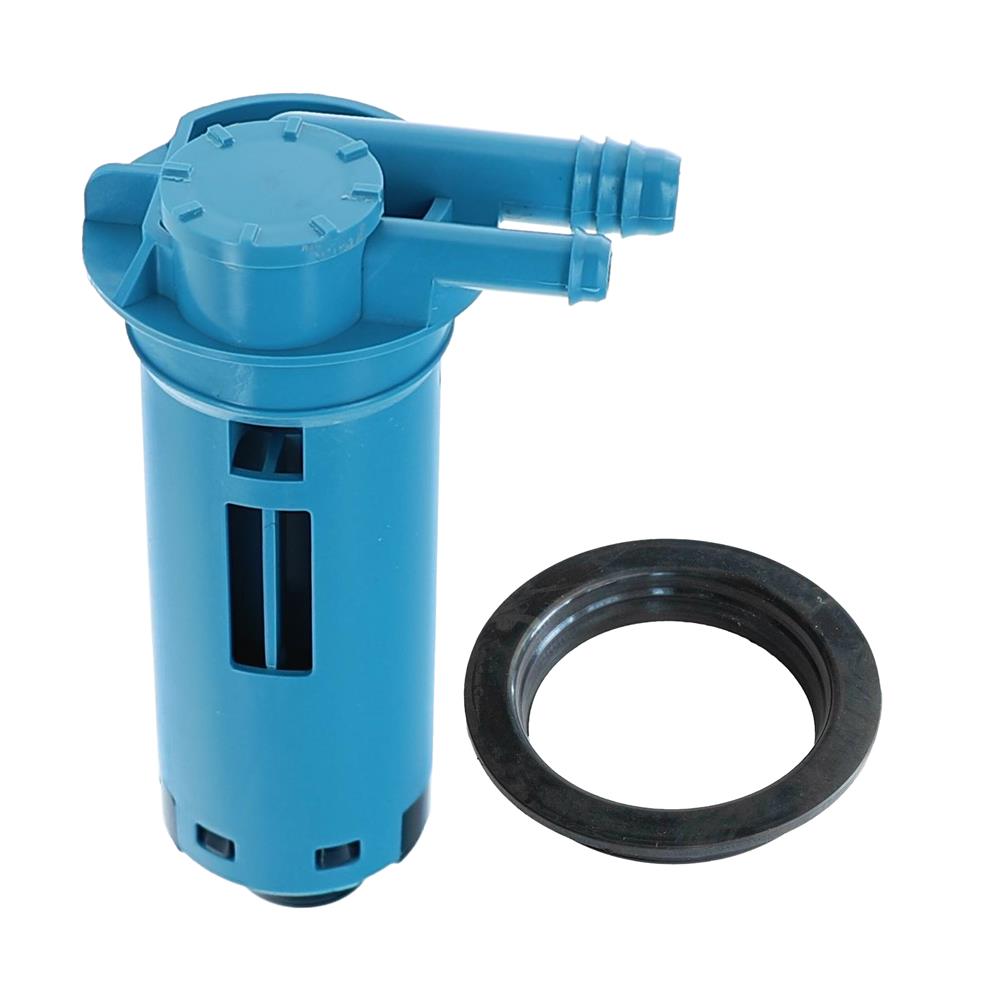
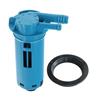
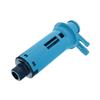
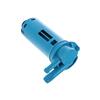
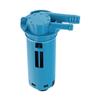
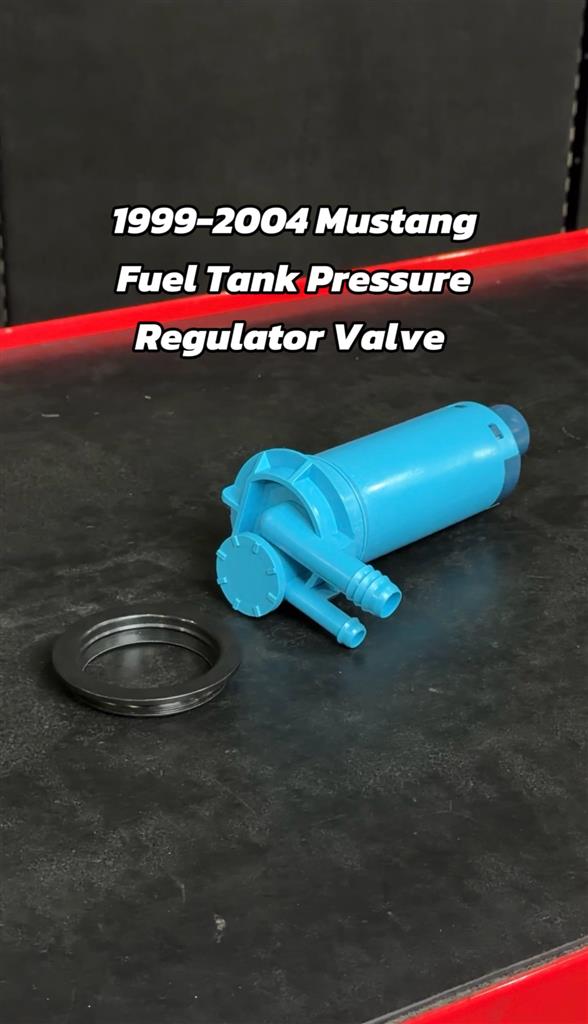
- (1) Fuel Tank Pressure Regulator Valve
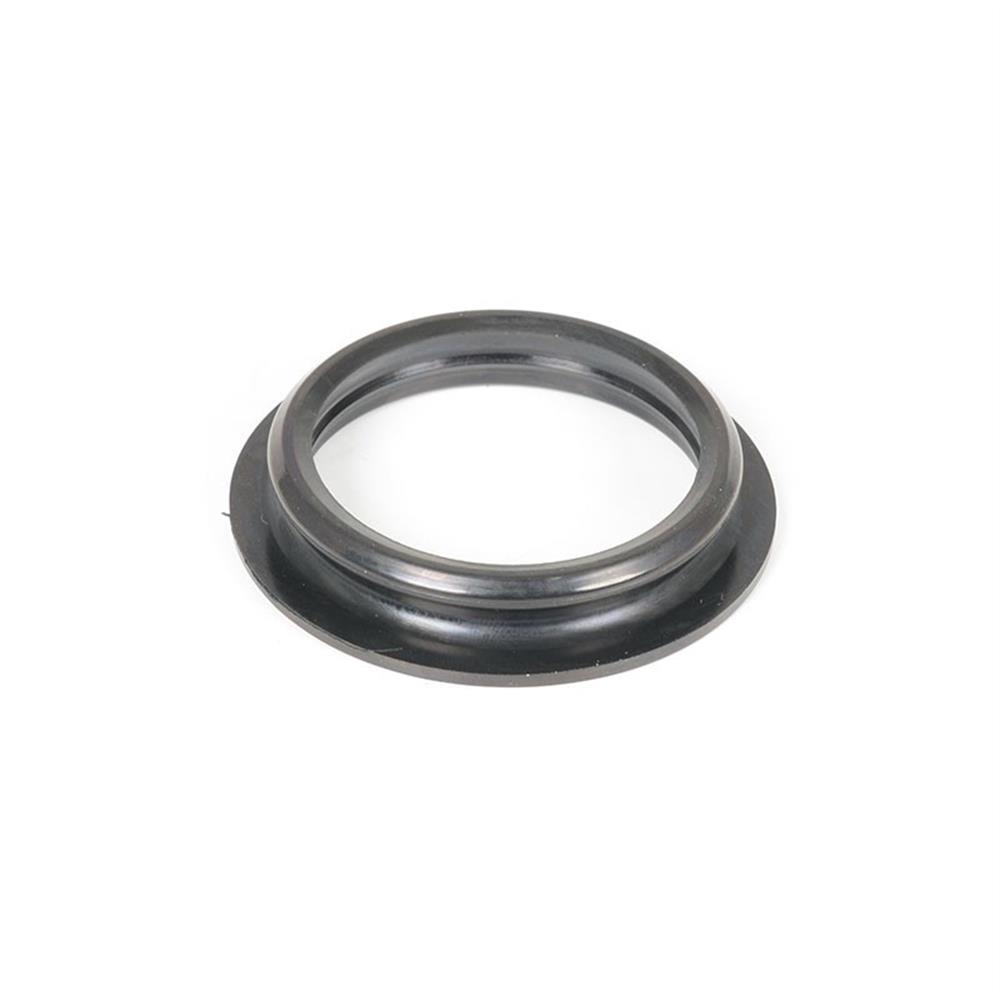
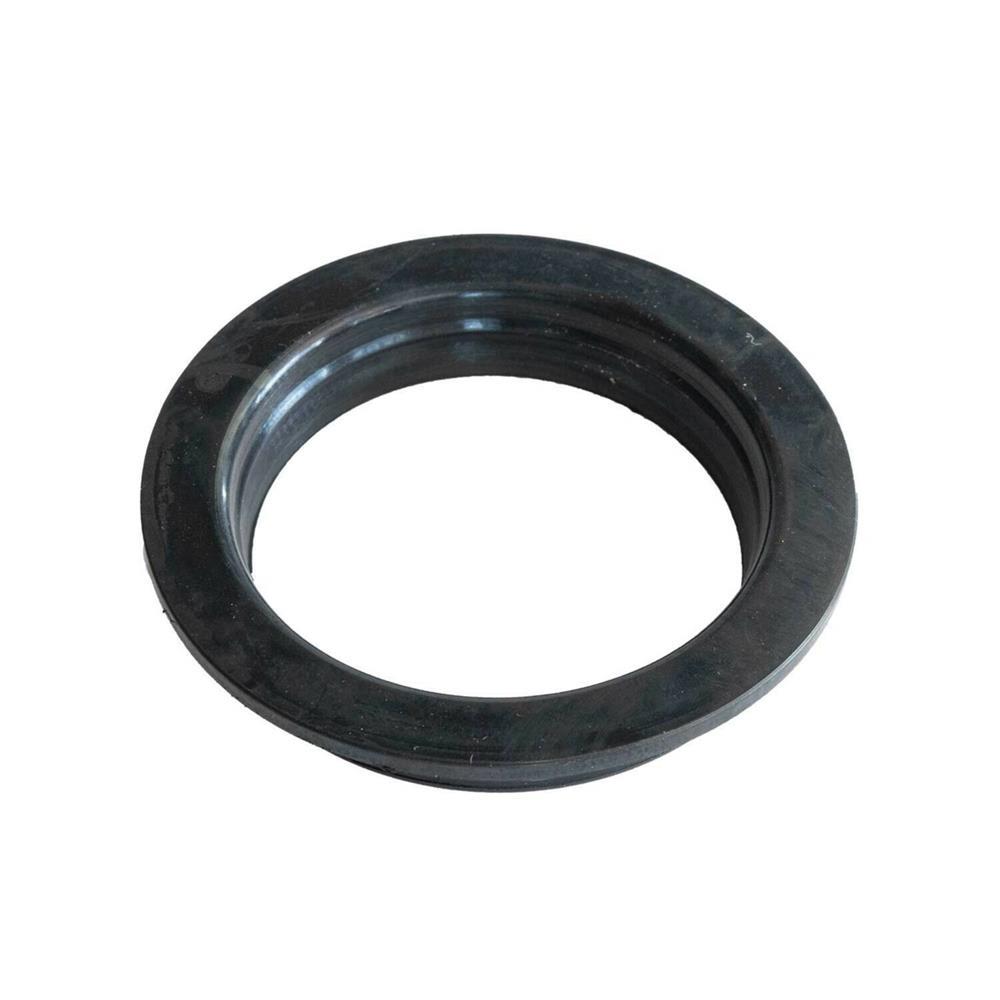
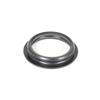
- (1) Pressure Valve Seal
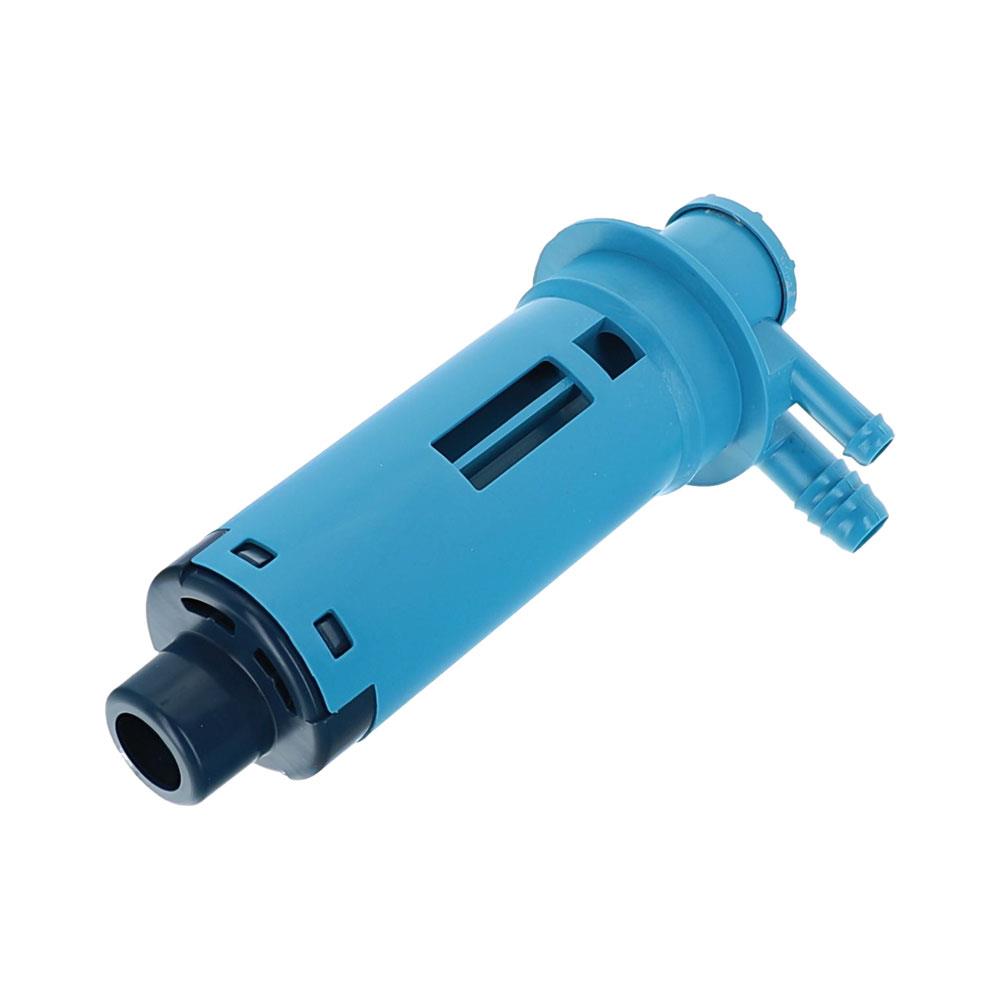
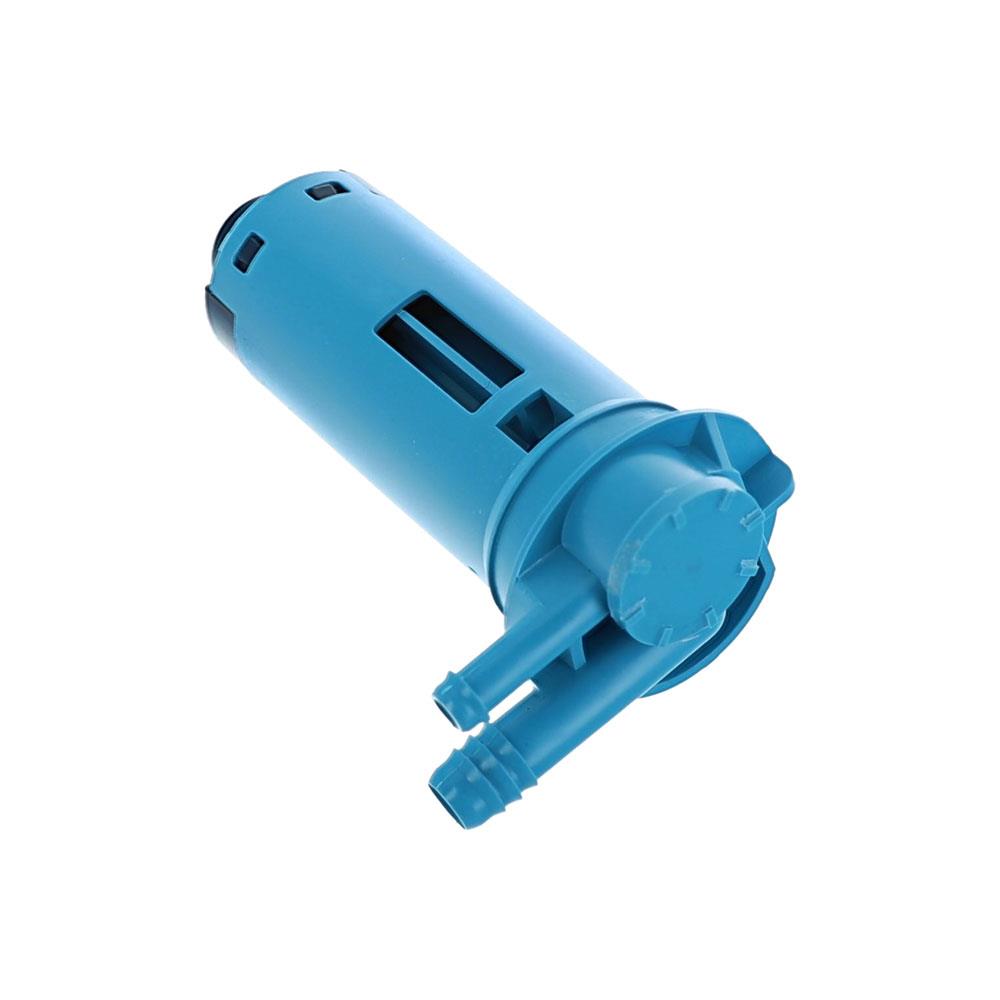
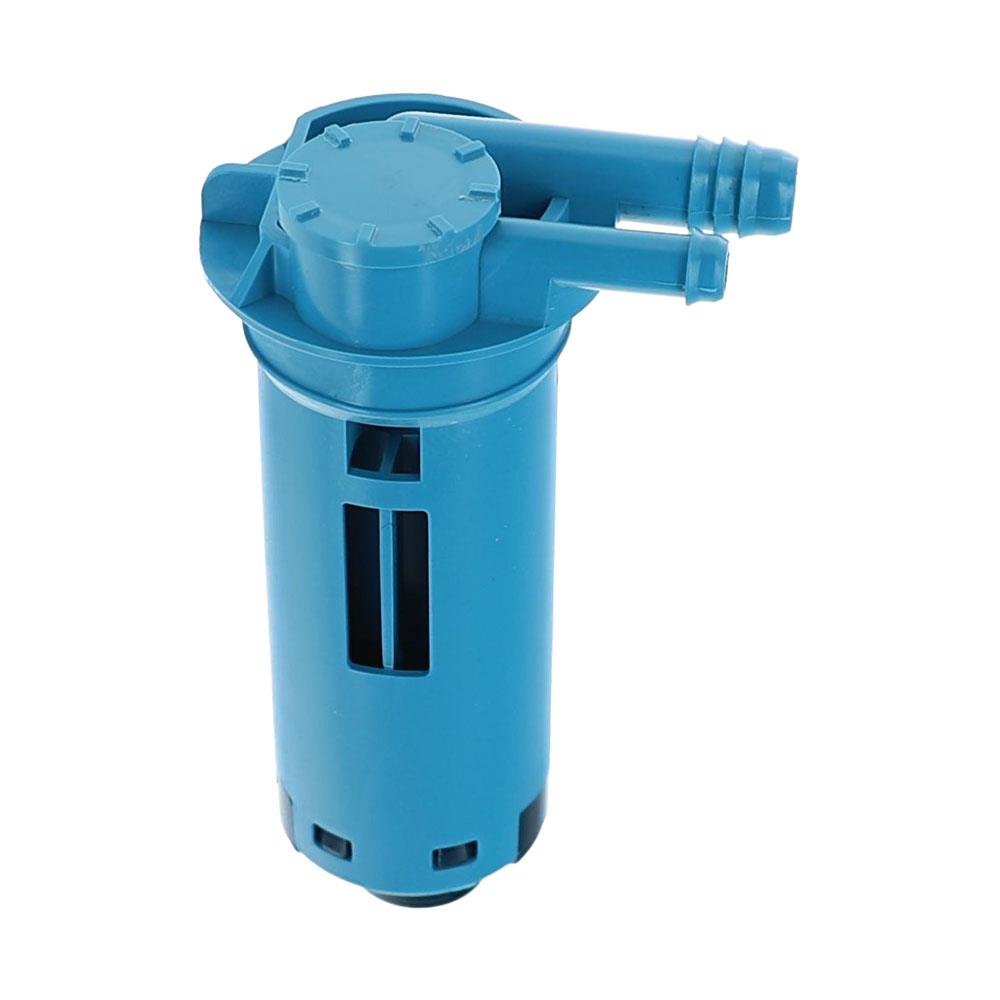
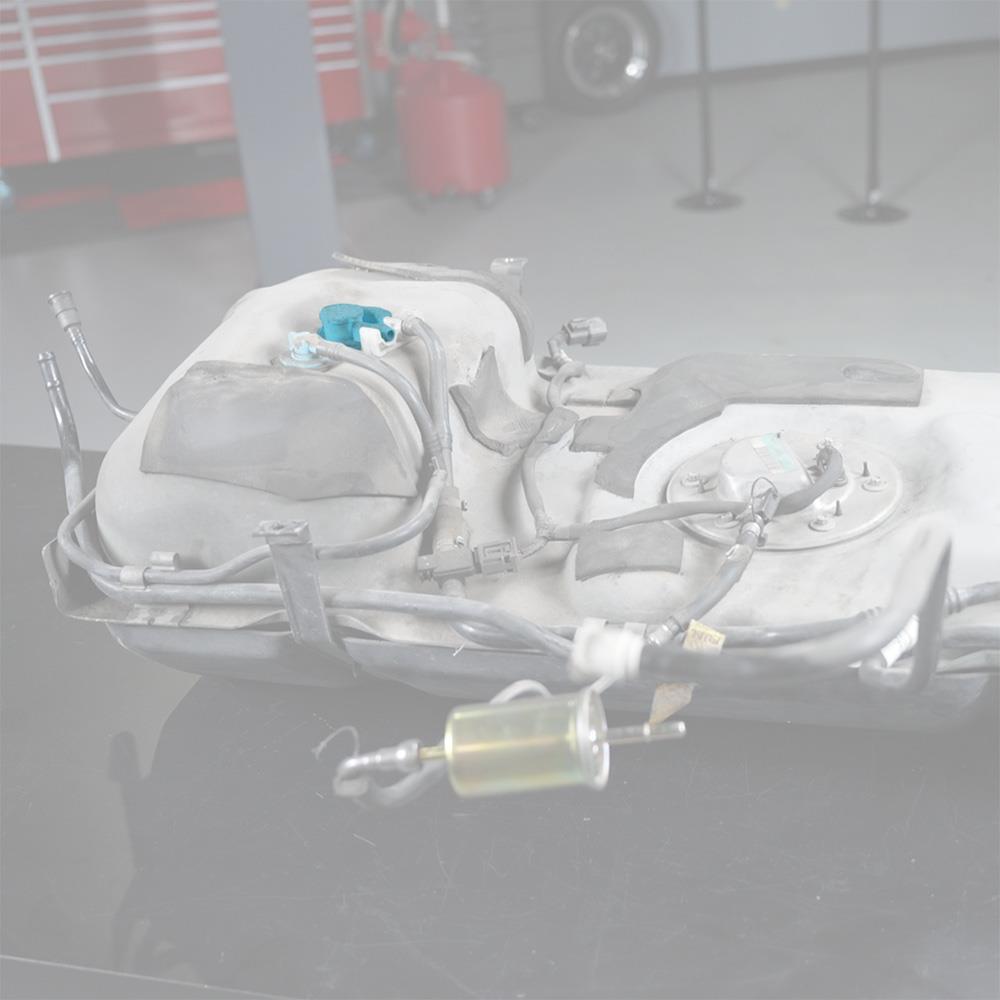
LMR Fuel Tank Pressure Regulator ValveEliminate fuel leaks and failed emissions tests with this exact reproduction of the 1999-2004 Mustang fuel tank pressure regulator valve from LMR! These valves are often damaged during removal and have been discontinued for a long time, leaving a need to search through junkyards or online listings for a replacement. The valve is mounted in a rubber grommet at a central location in the upper surface of the fuel tank next to the smaller vapor valve. A fuel tank pressure regulator valve (Ford refers to it as a Fuel Vapor Vent Valve or FVV) vents a regulated amount of fuel vapors to the Evaporative Emission Control (EVAP) system, thereby reducing in-tank pressure buildup. One of the ports is connected to the car's Evap line; the other is open to the atmosphere, allowing vapors to escape and fresh air to enter the tank.
LMR Superior QualityEach regulator valve is built to the factory specifications for both fitment and function, restoring your evap system. Made from fuel-resistant plastic materials using an OE-style injection molding process ensures a long service life. The LMR valve is installed just like the original, with the correct mounting flange to properly seal with a new grommet to avoid unwanted fumes from escaping.
Utilizing the factory-size barbed hose fittings oriented in the proper location to accept the evap lines. Made from a durable, fuel-resistant rubber construction, the new seal won't degrade due to contact with fuel. The pressure regulator valve seal is inserted into the tank and secures the pressure regulator valve in place.
Suggested PartsWhat is a Fuel Vapor Vent Valve (FVV)?The fuel vapor vent valve (FVV) assembly is used to control the flow of fuel vapors entering the EVAP system. The top portion of the assembly prevents the fuel tank from overfilling during refueling. An internal spring float prevents liquid fuel from entering the EVAP system under severe handling or rollover conditions, as the open bottom of the float lifts and shuts the orifice. Under heavy load conditions, the spring will push the float closed when angles allow liquid fuel to reach the orifice.
LMR Products Limited Warranty - LMR.com