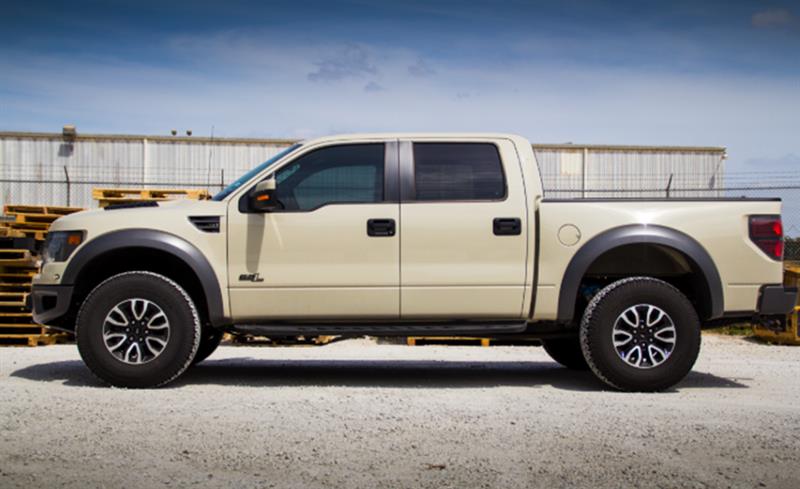
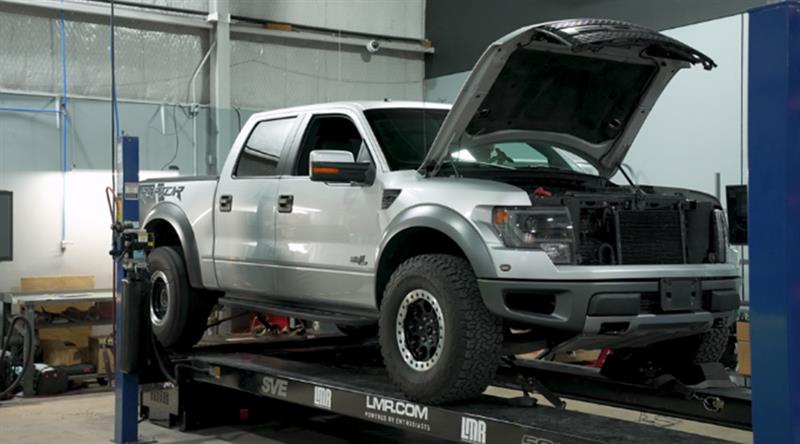
Combined with all-terrain tires and reinforced underbody skid plates, the Gen 1 Raptor was more than just a high-powered F-150, it was a factory-built off-road beast capable of handling high-speed desert runs, rocky trails, and technical off-road obstacles with confidence. This performance-first approach set the Raptor apart from other trucks of its era and established a new benchmark for off-road-capable pickups. Keeping a Raptor in peak condition means paying attention to all the fluids that keep its drivetrain and engine running smoothly. For detailed specs on engine oil, transmission, transfer case, and differential capacities, check out our guide on
.
The Raptor wasn’t just about performance under the hood, it was designed to look the part as well. From the widened fenders to the aggressive stance, every exterior detail served a purpose, blending form with function.
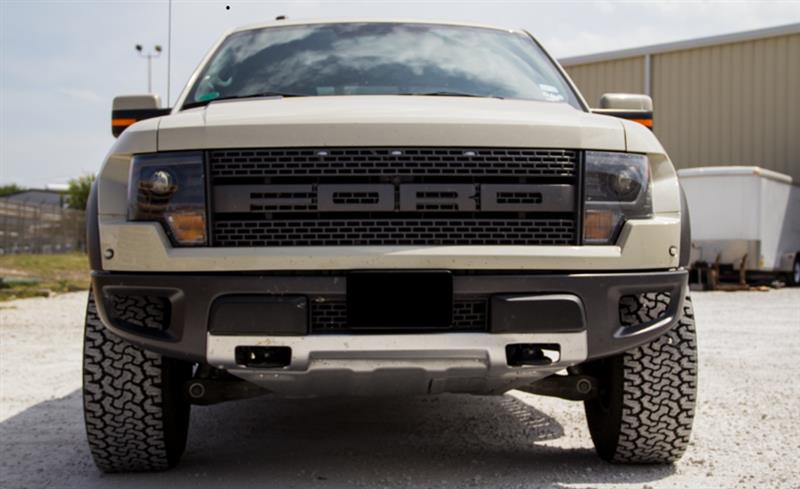
The Raptor immediately set itself apart with a wider body and aggressive stance, featuring pronounced fender flares to accommodate its larger off-road tires and a wider track for improved stability on rugged terrain. Its beefed-up frame allowed the long-travel suspension to perform without compromise, while distinctive front and rear bumpers enhanced approach and departure angles, enabling it to tackle steep inclines and rocky trails. A unique front grille, often adorned with bold SVT badging, along with integrated tow hooks and skid plates, combined style with functional off-road capability. The Raptor also features a functional hood scoop to enhance airflow and reinforced bed options designed to handle heavy cargo, along with optional liners and tie-downs for added versatility. Factory-equipped all-terrain tires on Raptor-specific wheels provided maximum grip and durability, further emphasizing its off-road readiness. From exclusive badging to unique color options, the Gen 1 clearly distinguished itself from a standard F-150, projecting a bold, muscular look that announced it as a high-performance off-road machine built straight from the factory. For enthusiasts curious about color options, see our guide on
Ford Raptor Exterior Paint Codes & Color Options, or if you’re restoring your Raptor, check out
How To Repaint Ford Raptor Fender Flares for step-by-step guidance.
Interior, Comfort & Features
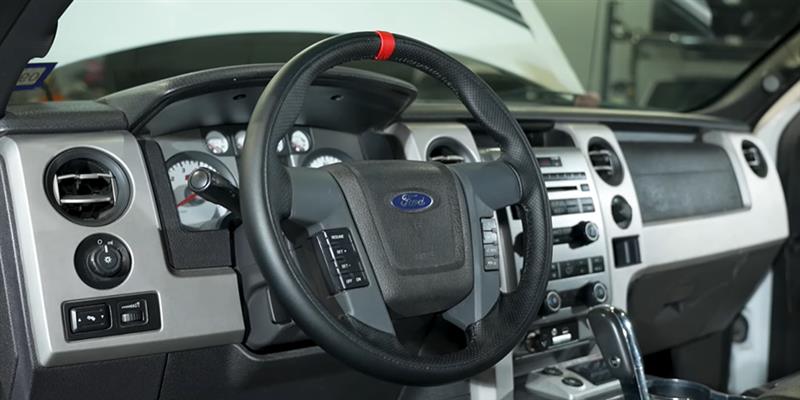
Inside the first-generation F-150 Raptor, Ford balanced off-road capability with everyday comfort, creating a cabin that was both rugged and livable. Depending on the configuration, the Raptor was available in SuperCab or SuperCrew layouts, offering flexible seating for passengers and cargo. Unique interior touches, such as Raptor-branded seats, upgraded trim, and SVT-specific accents, set it apart from a standard F-150 while reinforcing its performance-oriented identity.
The Gen 1 Raptor also included practical features to support off-road adventures. Durable materials throughout the cabin resisted wear and tear from muddy boots or gear, while easy-to-clean surfaces helped maintain the interior’s condition after a day on the trail. Technology-wise, it offered the standard F-150 amenities of its era, including climate control, audio options, and power accessories, making it suitable for both work and recreational use. Storage solutions, such as under-seat compartments and a configurable center console, enhanced the truck’s versatility, allowing owners to carry tools, gear, or personal items securely. For owners looking to restore their worn-out steering wheel, we offer a direct replacement, factory-style Gen 1 Raptor steering wheel. Check out our
2010-2014 F-150 Raptor SVE Steering Wheel Install Guide for step-by-step instructions on replacing your steering wheel for improved comfort and style.
Overall, the interior of the Gen 1 Raptor struck a careful balance: it was comfortable enough for daily driving, yet rugged and thoughtfully designed to support the demands of serious off-road performance. This combination made it not just a capable truck, but a practical and enjoyable one for drivers seeking adventure without sacrificing everyday usability.
Strengths & Key Advantages
The F-150 Raptor excels in off-road performance, boasting a long-travel suspension, a wide stance, and a durable 4x4 drivetrain designed for navigating rough terrain. Its powerful V8 engine delivers strong acceleration and torque, making it capable both on trails and highways. With factory-built, race-inspired components, it requires minimal aftermarket modification to handle desert runs, rocky trails, or muddy conditions. Beyond performance, its distinctive styling and unique features make it a standout in Ford’s lineup and a sought-after truck for enthusiasts and collectors alike.
Common Issues, Weaknesses & What to Watch Out For
While the Gen 1 Raptor is highly capable, it has a few areas to watch. Fuel economy is lower than that of standard F-150s due to its V8 engine and off-road gearing. Suspension and drivetrain components can wear out more quickly under heavy off-road use, so check the condition of your shocks, control arms, and transfer case. Some owners experience body and frame rust in older models, especially in harsh climates. Another common issue is with the #27 fuse. We offer a
Ford relocation kit to fix and prevent future issues with the fuse. Additionally, aftermarket modifications are common, so verifying quality and originality is key when buying a used Gen 1.
Buying Tips - What to Consider When Looking for a Used Gen 1 Raptor
When shopping for a Gen 1 Raptor, prioritize overall condition, maintenance history, and suspension health. Check for signs of rust, worn shocks, and drivetrain wear, especially if the truck has been used off-road extensively. Be mindful of modifications, ensuring they were professionally installed and don’t compromise reliability. Finally, consider mileage, cab/bed configuration, and originality, as these factors influence both value and long-term enjoyment.
Legacy & Influence
The Gen 1 F-150 Raptor set a new standard for factory-built off-road trucks, blending high performance with everyday usability. Its success paved the way for subsequent Gen 2 and Gen 3 Raptors, influencing suspension design, wider body styling, and performance upgrades in later Raptors. Today, it’s celebrated as a trailblazer in the off-road truck segment, laying the foundation for Ford’s ongoing dominance in performance pickups and inspiring a loyal following among enthusiasts and collectors.
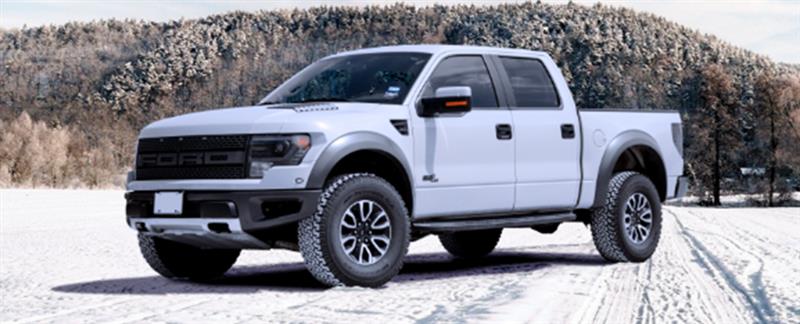
The first-generation of the F-150 Raptor remains a legendary off-road truck, combining race-inspired performance, rugged capability, and distinctive styling. From its powerful V8 and long-travel suspension to its bold design and practical interior, it set the standard for factory-built off-road pickups. Whether you’re a collector, off-road enthusiast, or Ford fan, the Gen 1 Raptor continues to stand out as a trailblazer in performance trucks, proving that Ford’s commitment to innovation and adventure started here.
Credit:
Ford Racing,
Ford,
Ford Trucks,
MotorTrend