With the release of the S650 Mustang in 2024, Ford shook up the industry by doubling down on raw, naturally aspirated power. In a time when many sports car manufacturers were transforming their flagship muscle cars to electric, Ford gave their die-hard Mustang fans something to be proud of - the
Mustang Dark Horse.
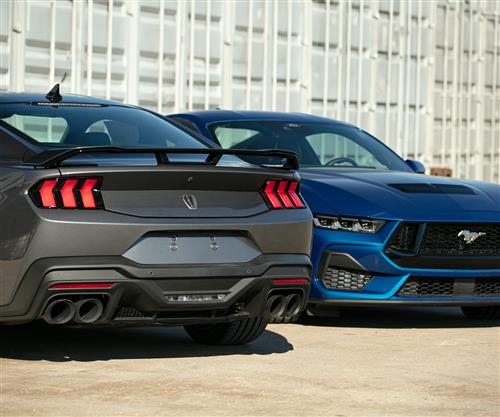
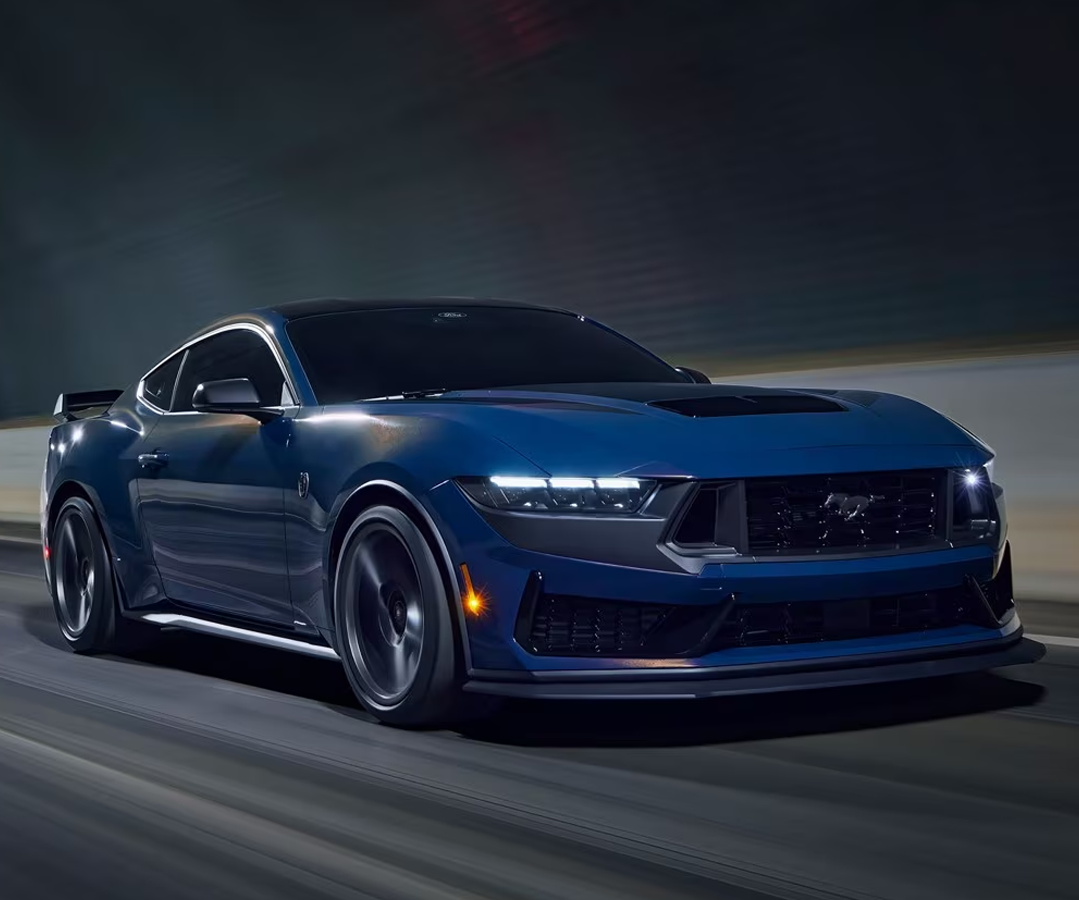
The Dark Horse is a 500-horsepower, naturally-aspirated V8 with looks that scream performance. With the perfect blend of power and comfort, the Dark Horse allows you to enjoy top-of-the-line amenities in a car that you can take to the track or drag race anytime.
While enthusiasts are drooling over the Dark Horse Mustang, many still question what’s so special about this package. Today, we are going to look at the differences between the Mustang GT and the Dark Horse Mustang to see exactly what you can expect from this high-performance package.
2024 Mustang GT Vs Dark Horse Performance Differences
The big question surrounding the Mustang GT and Ford Mustang Dark Horse is the performance differences. While we will get into the specifics of the engine differences later in the article, lets take a quick glimpse of the performance specs of each trim level.
| | Mustang GT | Mustang Dark Horse |
|---|
| Engine | 5.0L V8 Gen 4 Coyote | 5.0L V8 Gen 4 Coyote (Upgraded Rods/Tuned) |
| Transmission | 6-Speed GETRAG MT-82 Manual/10-Speed 10R80 Automatic | 6-Speed TREMEC TR-3160 Manual/10-Speed 10R80 Automatic |
| Horsepower | 480 HP (W/ Active Exhaust) | 500 HP |
| Torque | 415 lb-ft | 418 lb-ft |
| Suspension | MagneRide Optional | MagneRide Standard |
| Base MSRP | $42,710 | $59,485 |
Exterior Differences
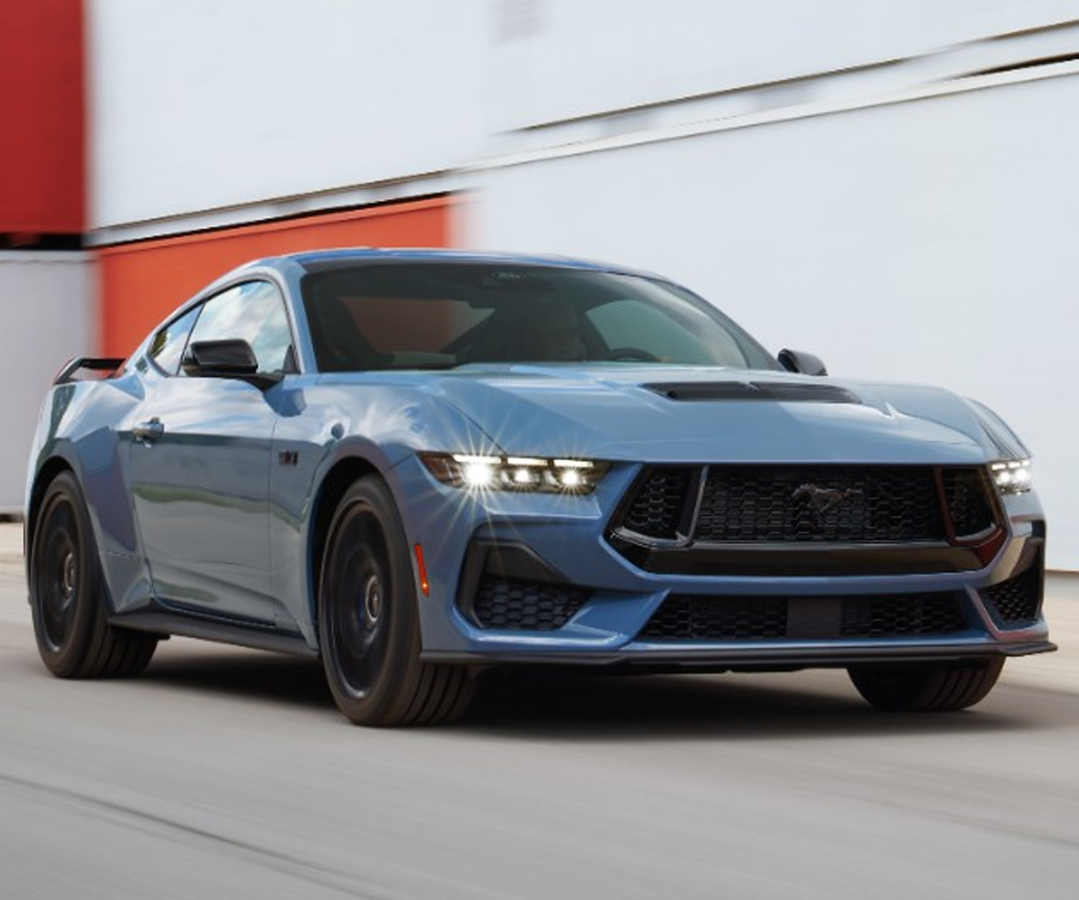
The biggest differences between the Dark Horse and the GT are the exterior differences. While they share some basic similarities, it is not hard to tell that the designers at Ford knew exactly what to do to make the Dark Horse look more aggressive.
Front End
Taking a look at the front end of the Dark Horse and GT, we see some very similar components that have been tweaked to give the Dark Horse a more aggressive look and better functionality. Starting at the grill, the Dark Horse is going to have larger “nostrils” and grill openings compared to the GT. This allows more airflow which is critical for track-inspired vehicles.
The Dark Horse is also going to feature large plastic inserts under the headlight and surrounding the sides of the grille. The bottom fascia has also received a more aggressive design on the Dark Horse, reminiscent of the GT350. All of these components are packaged up perfectly for a reshaped front bumper that is Dark Horse-specific. I would assume we will see Dark Horse front bumper swaps coming to GT and Ecoboost vehicles as time goes on.
Rear End
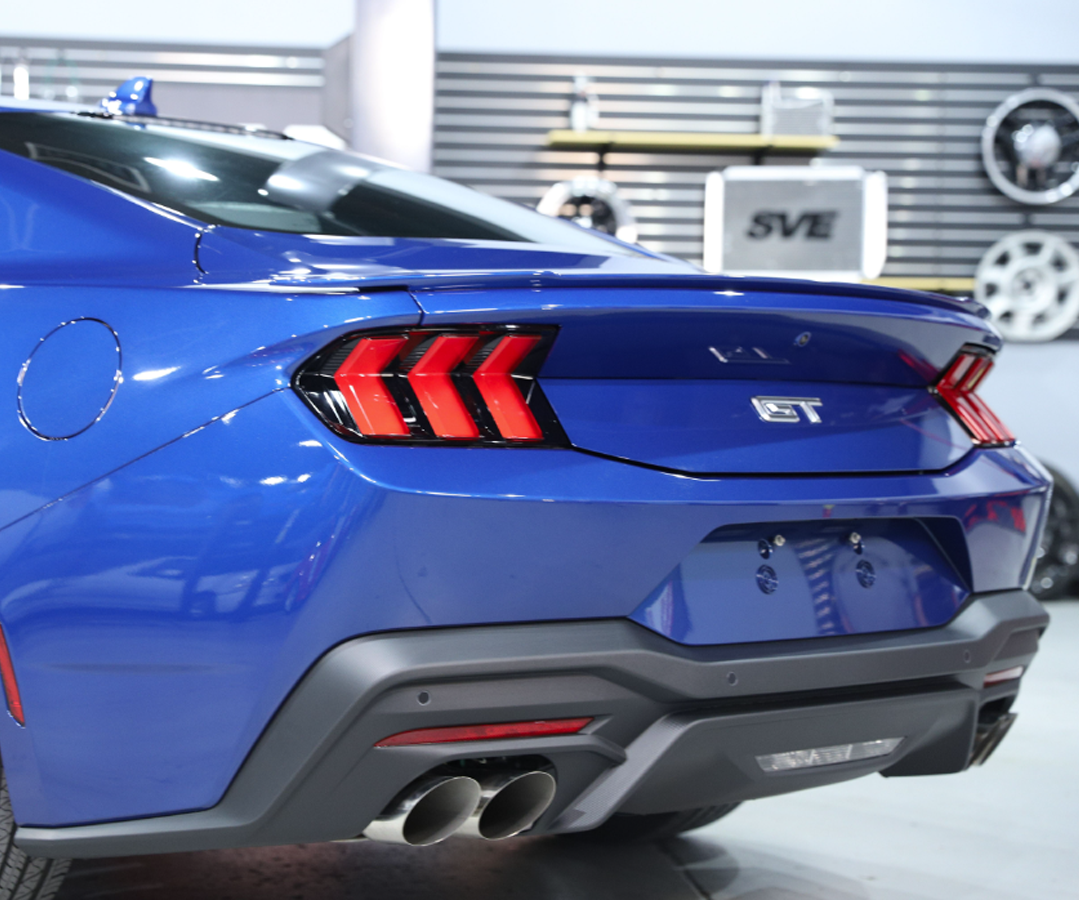
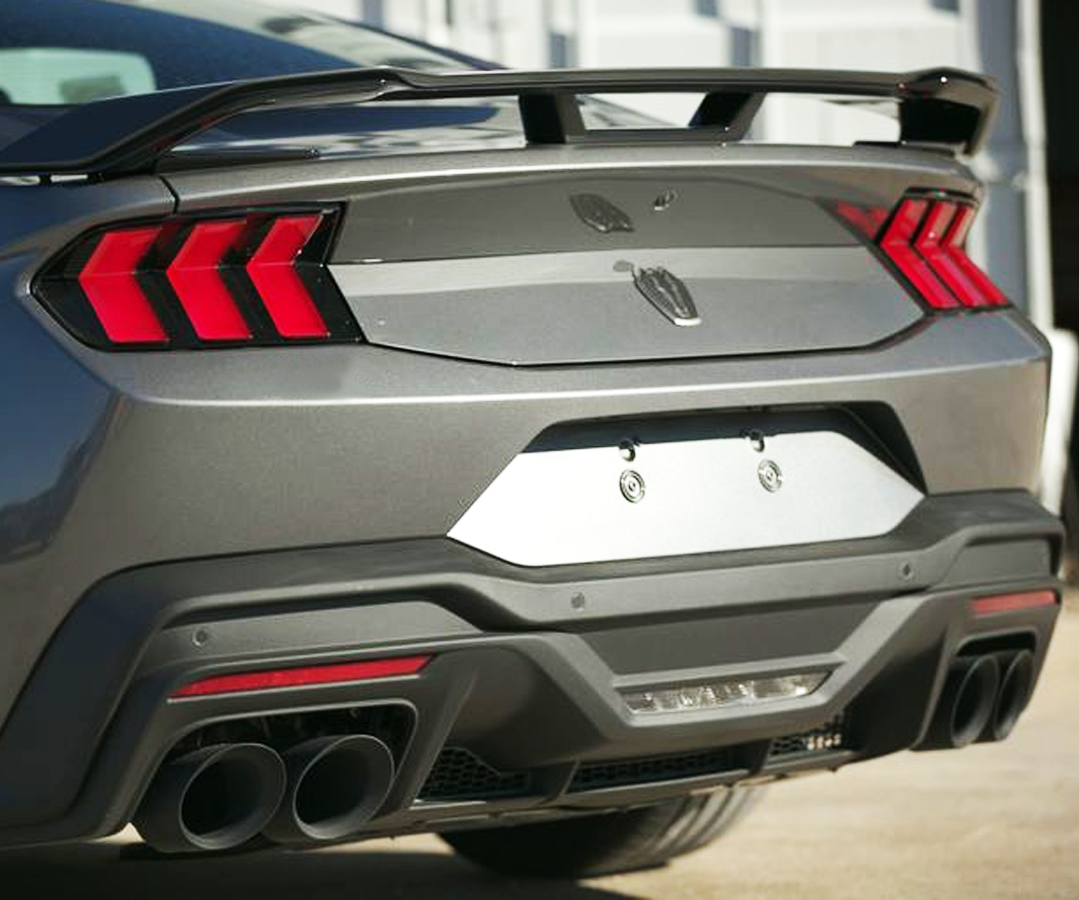
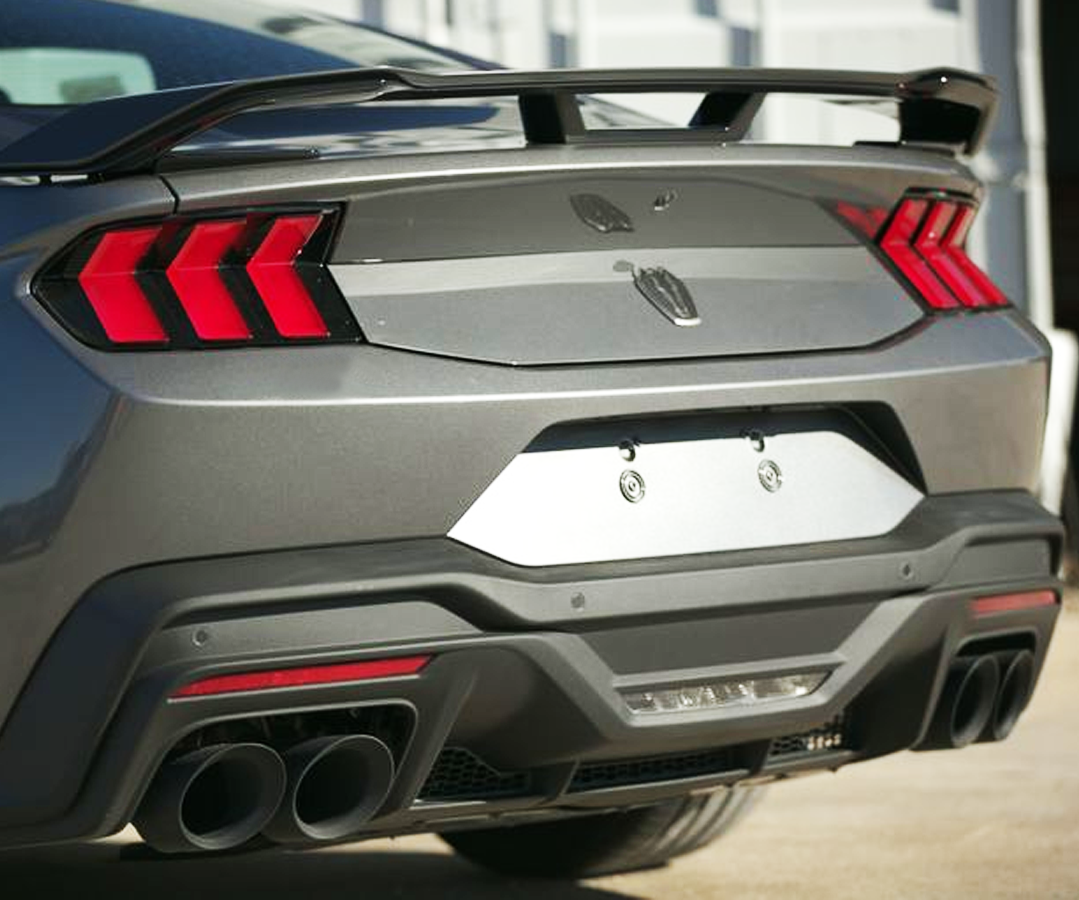
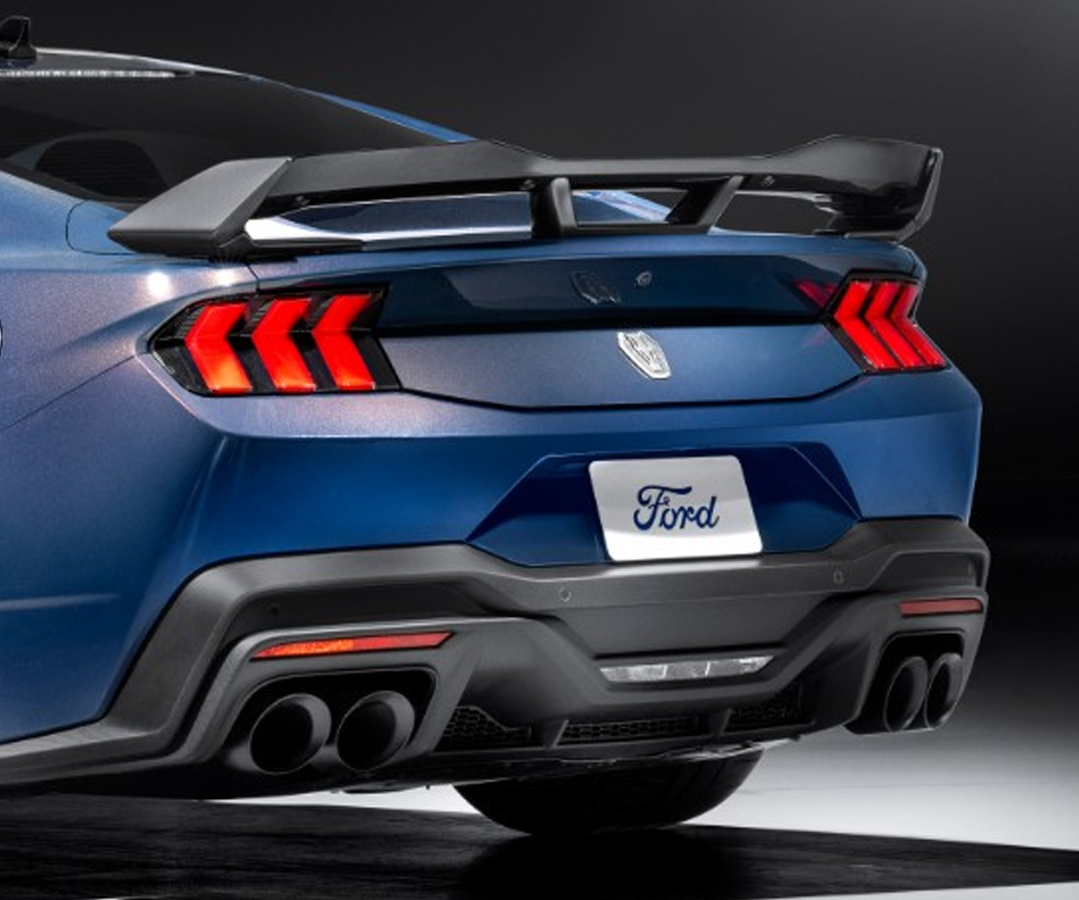
As far as the rear end goes, there are very subtle differences that separate the Dark Horse from the GT. The big differences will be the spoiler and badge, which we will touch on here in a bit. As for the rest of the rear end, the only other differences are going to be the rear valance and exhaust tips.
The bottom of the rear valance is more track-inspired on the 2024 Mustang Dark Horse when compared to the GT. You will also notice that the exhaust tips are larger and are better designed than lower level GT models.
GT Vs Dark Horse Rear Spoiler
So let’s talk spoilers. On the Mustang GT, there are a few different
2024 Mustang spoiler options you can choose from, depending on what trim level you get. If you opt for the Dark Horse, there will be two different spoilers to choose from depending on whether or not you have the handling package. The handling pack spoiler is much more aggressive and features a gurney flap as seen on the S550 GT500/Mach 1 Mustangs.
Badges
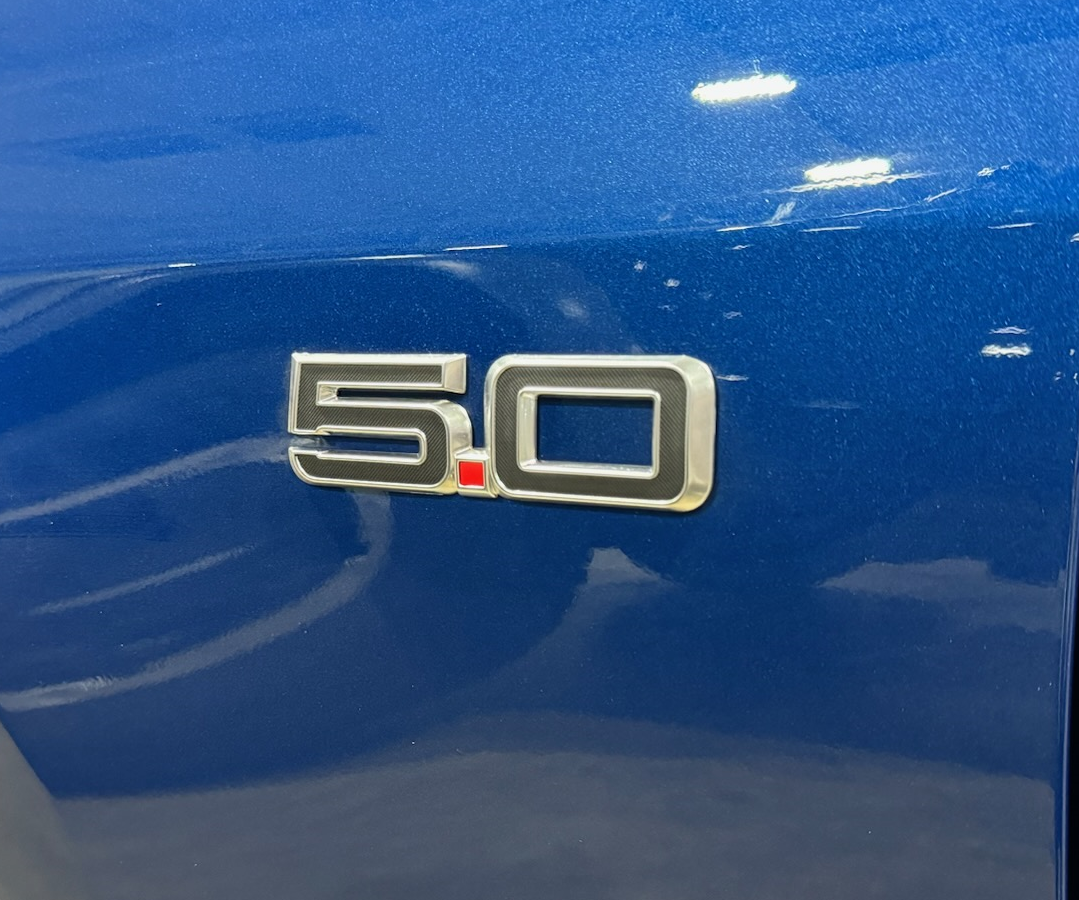
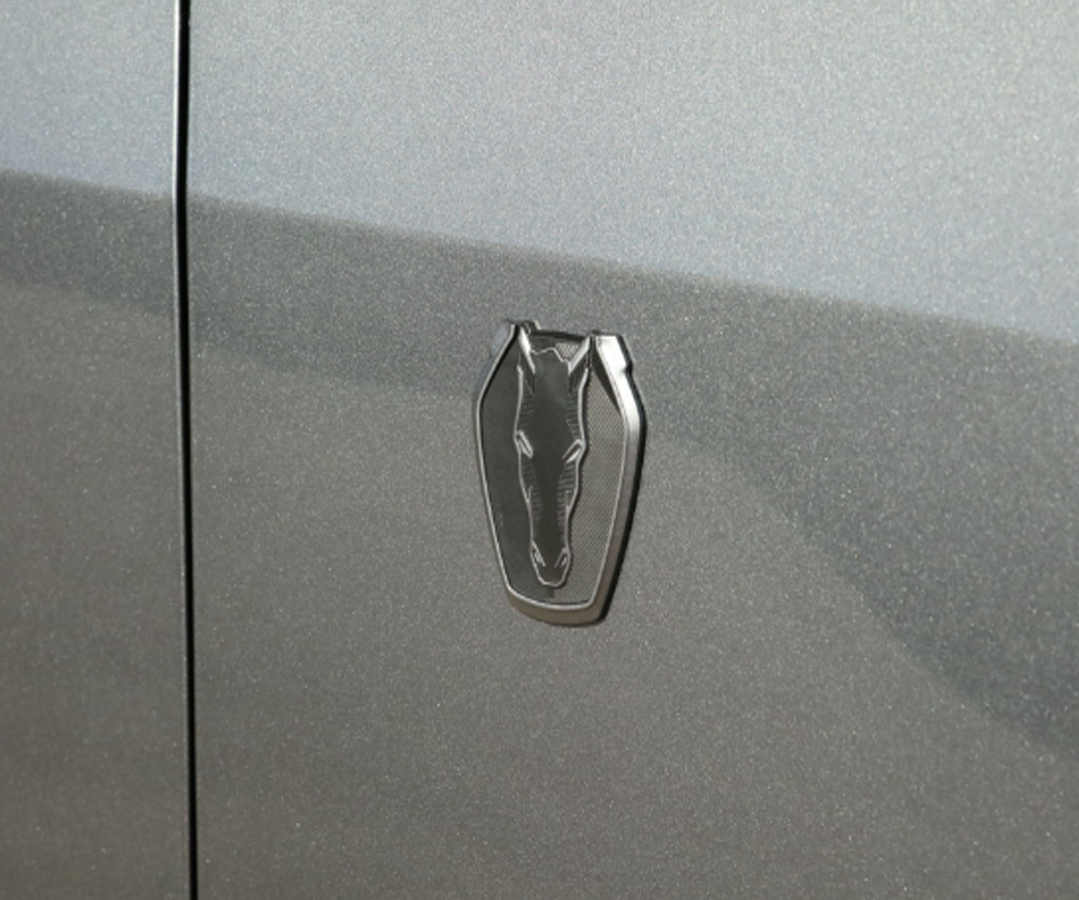
Another obvious difference is the badging. Like most specialty Mustangs, Ford gave the
Dark Horse it’s own special badge that features the profile of a horse head, fitting for the name of this package. The Ford Mustang GT package has a simple 5.0 emblem that has been redesigned for the S650.
Interior Differences
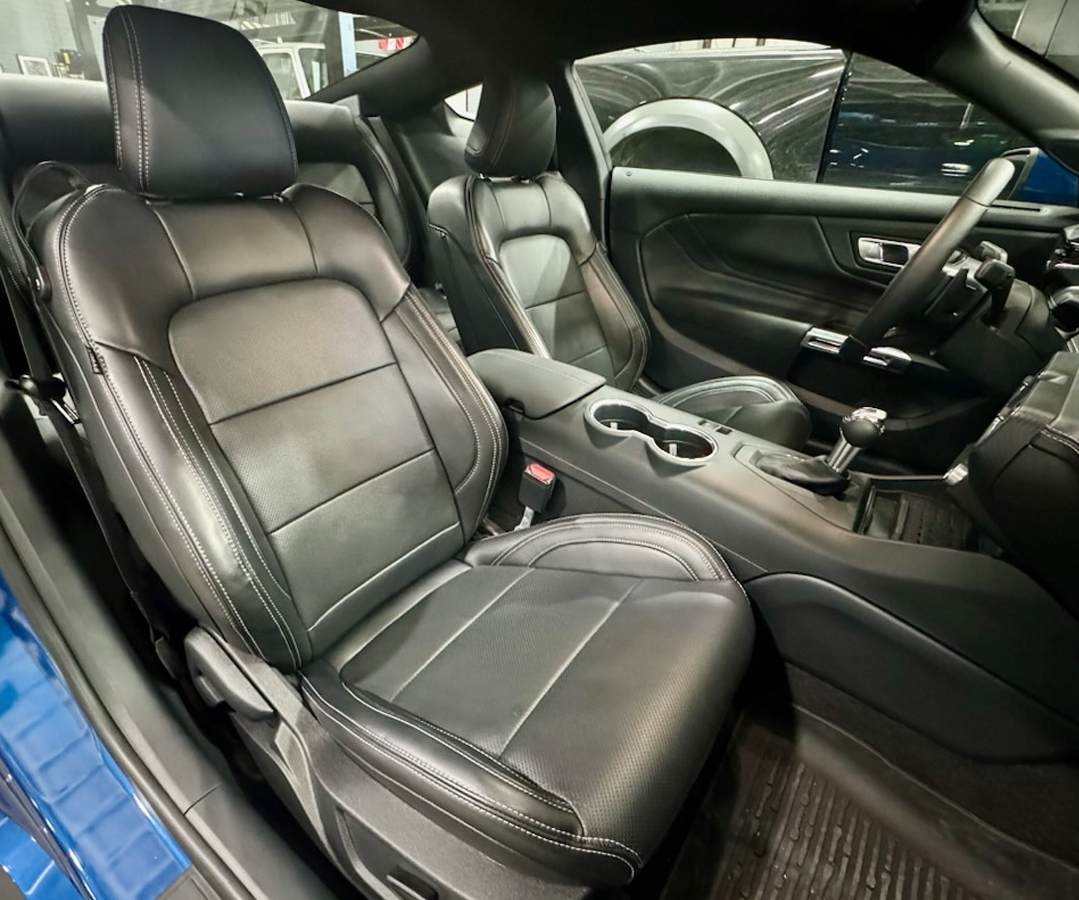
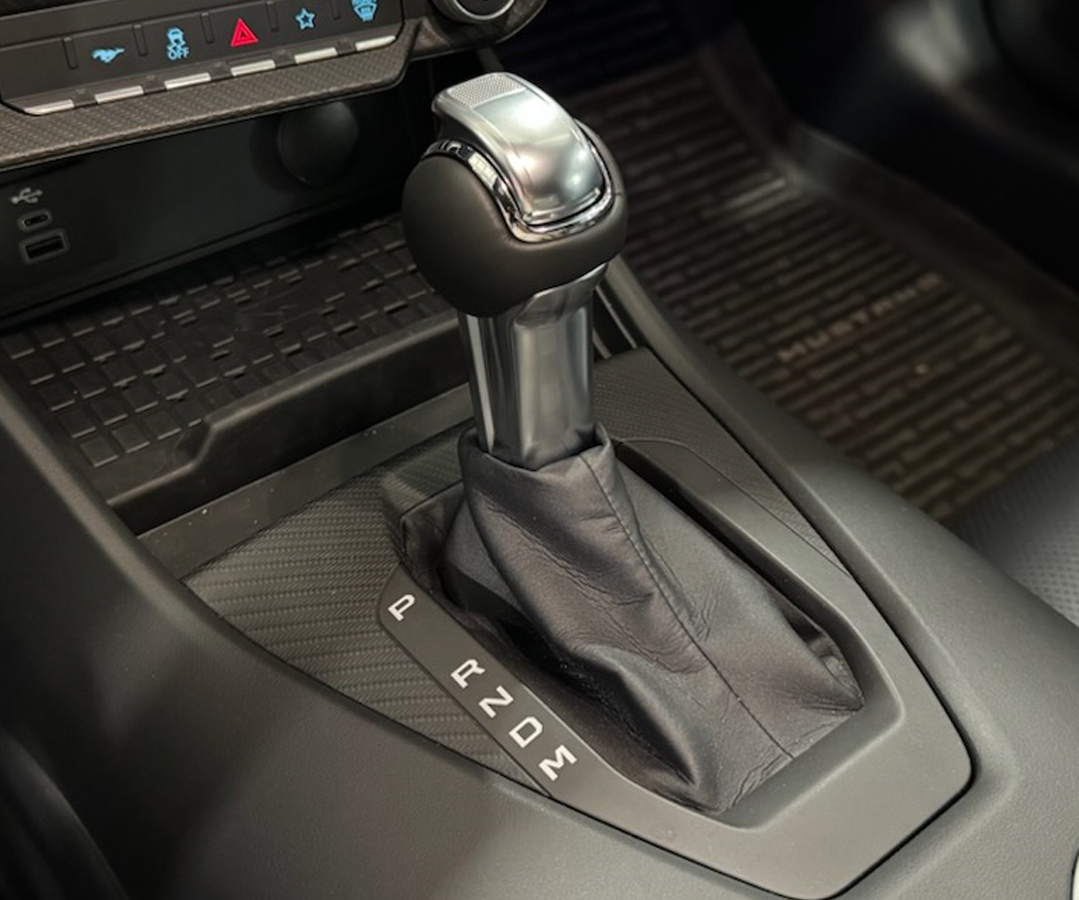
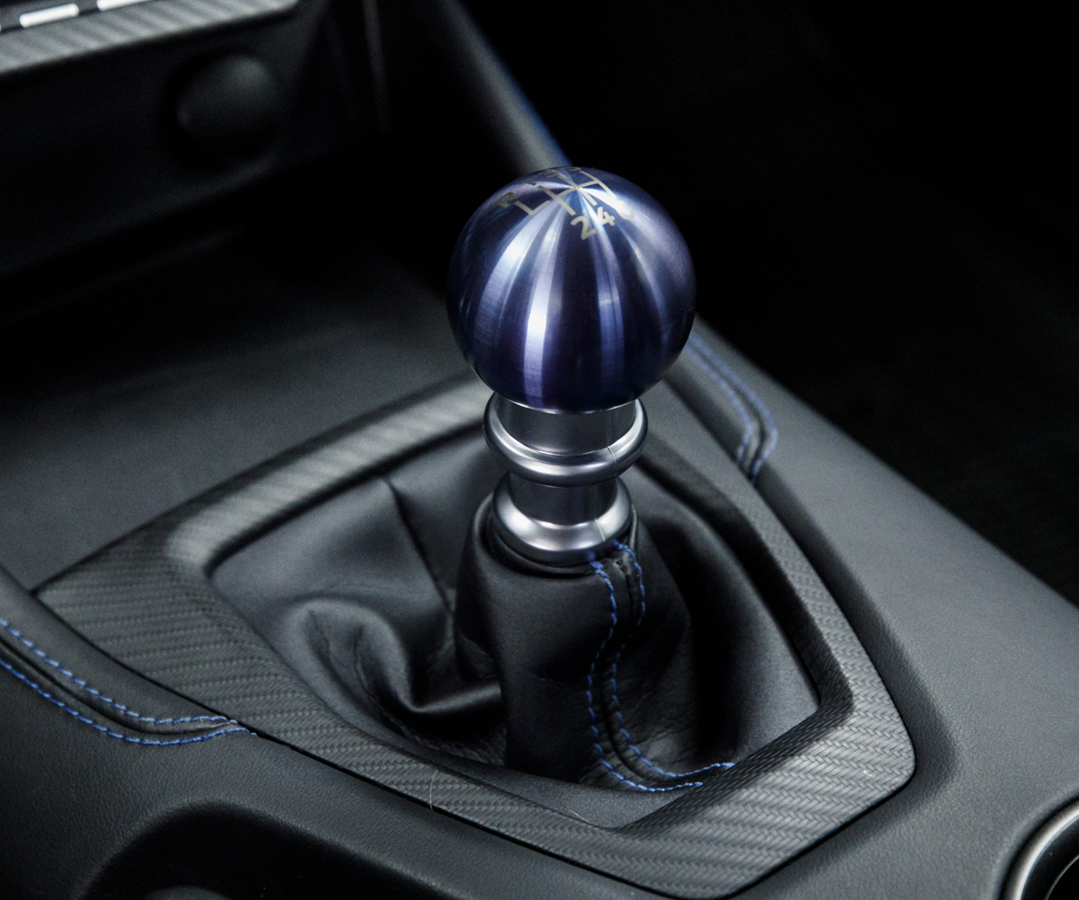
When it comes to the interior of the Mustang GT and Dark Horse, there aren’t too many differences that we can call out. The most interesting feature of the Dark Horse interior lies within the manual transmission equipped Dark Horse models. A lightweight six-speed titanium shift knob sets the tone for this race-inspired Pony.
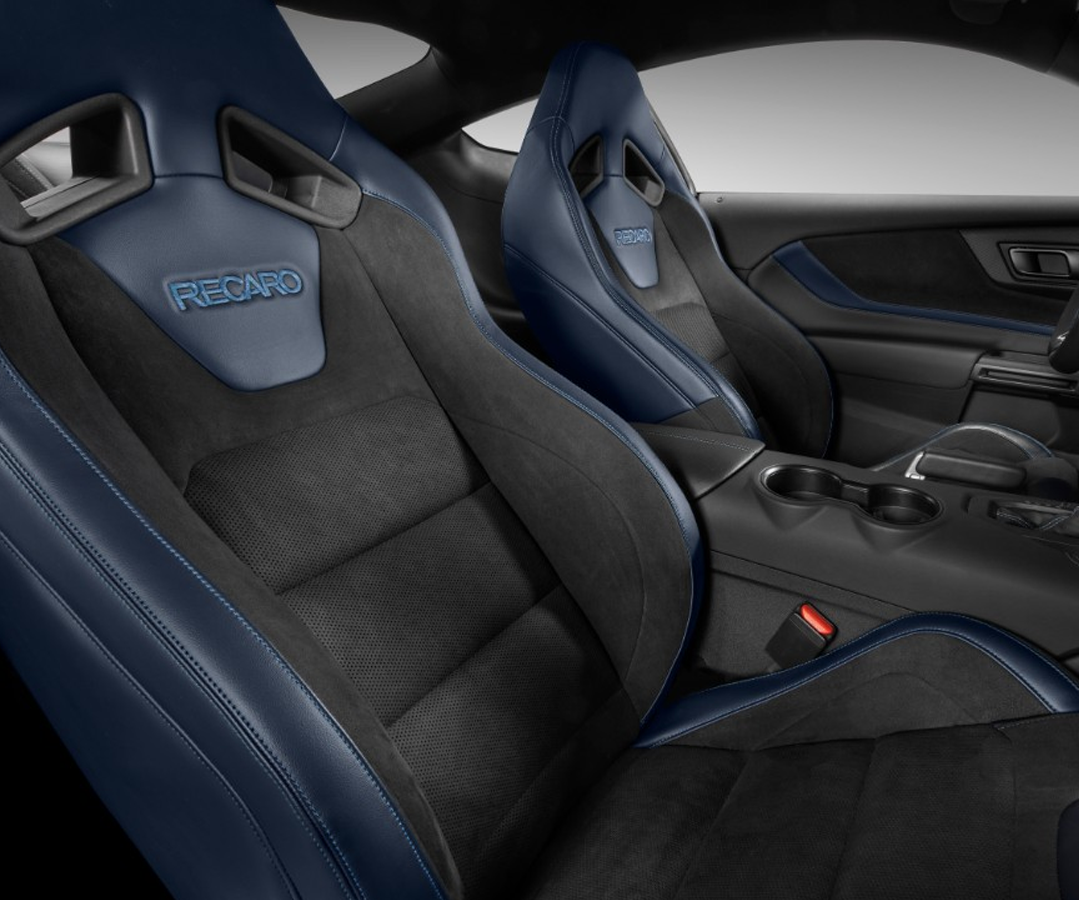
The Mustang Dark Horse Appearance Package will include exclusive RECARO performance seats that have been specifically bolstered for the Dark Horse. These seats feature Deep Indigo Blue bolsters with Bright Indigo Blue accent stitching. Black Dinamica Suege finish out the seat centers for a show-stopping seat that sets the Dark Horse apart from the GT. Ford went a step further and added Deep Indigo Blue seatsbelts that add a subtle yet loud statement in the interior.
The design team has also introduced fresh color and trim surface options, showcasing bezels and vents adorned in Black Alley – a sophisticated dark metallic gloss that replaces the traditional bright silver tones seen in other Mustang trim levels.
Dark Horse Vs Mustang GT Drivetrain Comparison
Engine/Power Differences
While the Mustang GT and Dark Horse both feature the latest
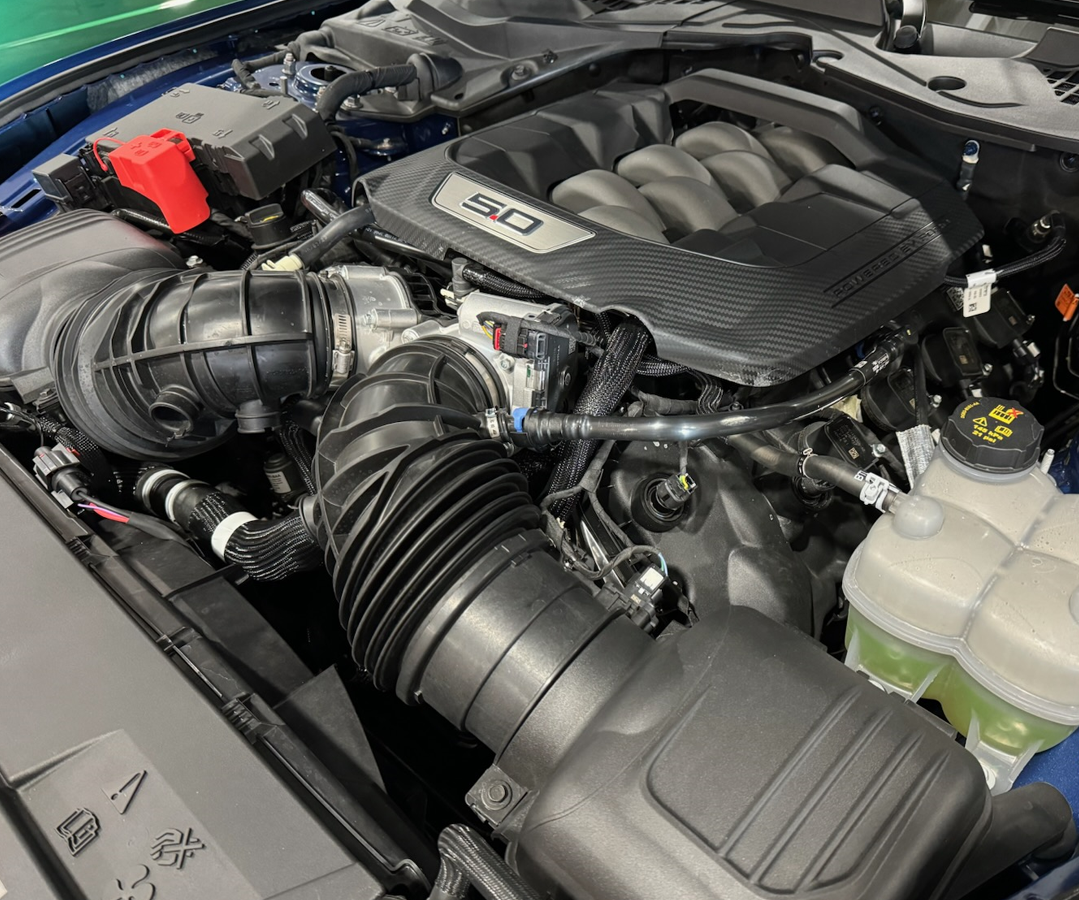
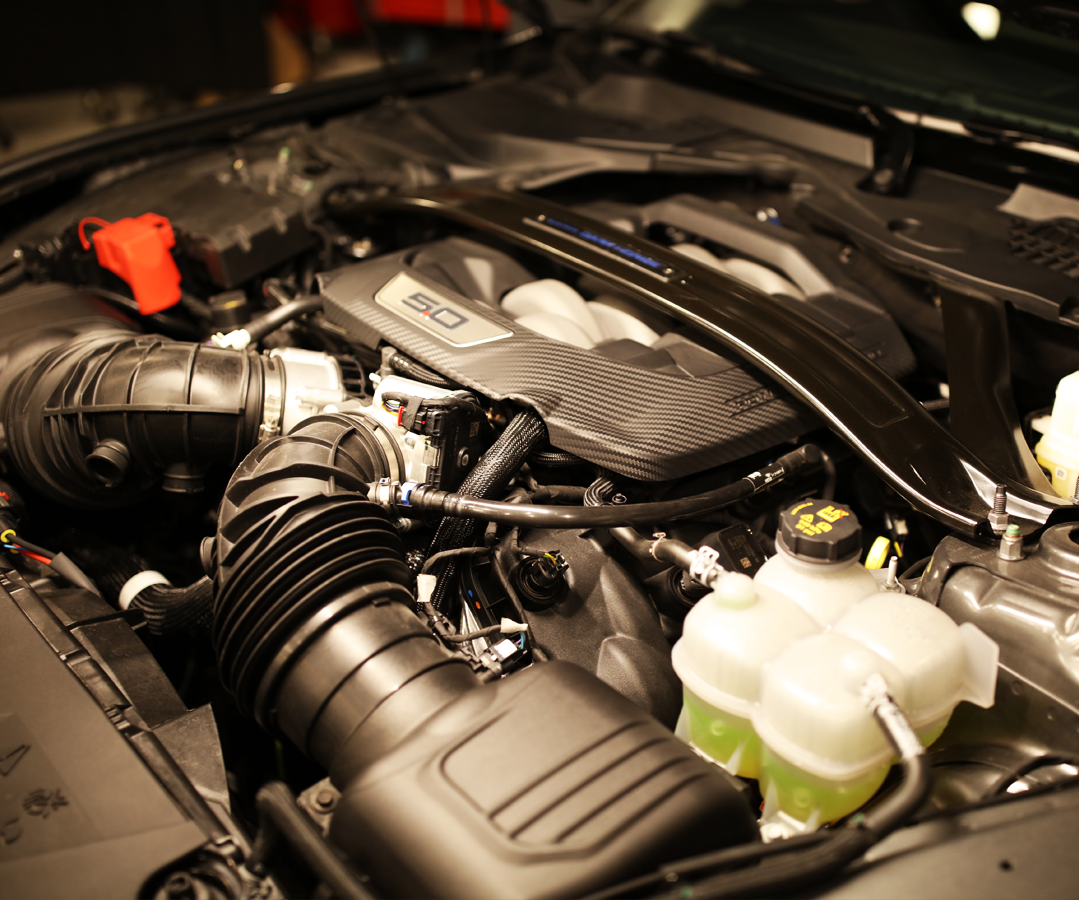
generation of Coyote engines, the Gen 4, but the Dark Horse’s engine got some performance-enhancing upgrades. With a goal of 100 horsepower per liter, the 5.0 Coyote was going to need some work from Ford engineers.
According to Ed Krenz, the only real difference was that they “ported over the forged connecting rods from the Predator engine”. The 20 or so extra ponies you get over the active-exhaust-equipped GT come from tuning that Ford has done from the factory to give the Dark Horse extra performance.
Transmission Differences
When it comes to transmission differences, the only big change for transmission is the 6-speed manual transmission found between the GT and Dark Horse. The 10-speed automatic transmissions remained the same through both trim levels.
On Mustang GT’s the tried and true Getrag MT-82 makes another appearance as a go-to for Ford’s Coyote drivetrain. While the MT-82 does get a bad rep in earlier versions, it has been quite successful for the Coyote engine.
For Dark Horse owners, you will get to enjoy the popular TREMEC 6-speed transmission, the TR-3160. This transmission is no stranger to Ford’s high-performance vehicles, making appearances in the GT350, GT350R, and S550 Mach 1.
Dark Horse Vs Mustang GT Suspension Differences
As the Mustang has evolved, the suspension has gotten better and better each generation to make it easier for owners to enjoy their vehicles on and off the track. With more and more S550/S650 owners choosing the road course over the drag strip, it only makes sense for Ford to equip the new Mustang with corner-carving suspension.
On the Mustang GT, most of the S550 suspension carried over including the IRS and McPhearson from strut setup. For those who opted for a Performance Pack, you will get to choose the
Magneride option, a popular suspension upgrade for performance driving.
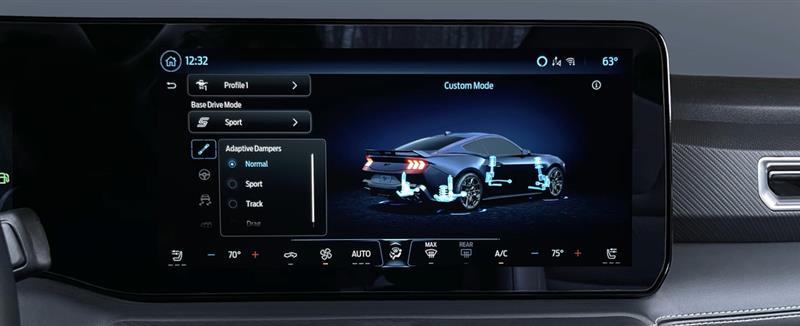 Image Via Ford.com
 For Dark Horse owners, it is at no surprise that Magneride comes standard for the best handling capabilities possible. Ford also outfitted this trim level with a Ford Performance strut tower brace and a K-brace to help stiffen up the chassis when enjoying more spirited driving.
If you opt for the Dark Horse Handling Package (DH HP), you will get stiffer springs, larger sway bars, and wider wheels and tires, making the DH HP a track-ready monster.
Dark Horse Or Mustang GT - Which Is Better?
So which is the better buy? Well, that is going to depend on your budget and what you really want to get out of your Mustang. The Mustang GT is great for those who want a powerful Mustang that has plenty of power, can be upgraded to conform to your needs, and is on par price-wise with comparable sports cars, running you about $41,000-$46,000.
As for the Dark Horse, the starting MSRP is a smidge under $60,000 and can be optioned out to over $70,000 with all of the bells and whistles. While this may seem like a steep price tag for 500 horsepower, naturally aspirated, you have to take into consideration all of the upgrades you are getting with this package.
Could you take that extra $25,000 and make a Dark Horse killer from a GT? Of course, you could, and that is the route many will take. However, those who are purchasing a Dark Horse will most likely be buying it for the legacy it will create. We saw the same thing with GT350s vs supercharged Gen 2 Coyotes. A blown Gen 2 Coyote can walk all over a GT350, but it will never carry the weight of the Shelby GT350 name.
So it’s up to you to decide how you want to spend your money and what you want to get out of your 2024 Mustang. Do you take the affordable GT and make it your own or do you skip right to the track-ready Dark Horse?