The Ford Mustang was built with performance in mind. From the early days of the 1964 Tour de France Automobile Rally and Carroll Shelby building the first GT350, Ford knew exactly what they wanted from their new platform. Fast forward to 2026, and the Ford Mustang is still one of the most popular vehicles across all motorsports.
Throughout the past few decades, Mustang owners have gravitated to many different motorsports, including drag racing, road racing/HPDE, drifting, and Autocross. While drag racing has always been one of the most popular choices, especially with the late-model Mustangs having a solid axle, the switch to an independent rear suspension in 2015 has opened the floodgates to road racing and HPDE enthusiasts.
Whether you are shopping for
2005-present Mustang HPDE parts or simply want to learn more about motorsports, Late Model Restoration has you covered.
HPDE vs Road Racing - What’s The Difference
When discussing road racing and HPDE, the two can easily get confused if you are unfamiliar with the terminology. Let’s take a look at the differences between an HPDE event and a road racing event.
HPDE
HPDE stands for High-Performance Driver Education. HPDE events are structured track day learning programs where participants drive their own vehicle on a closed road course to improve their driving skills. The most important thing to remember about HPDE is that this is not racing. The goal of HPDE is to build confidence, control, and safety with your vehicle at speed under the supervision of an instructor.
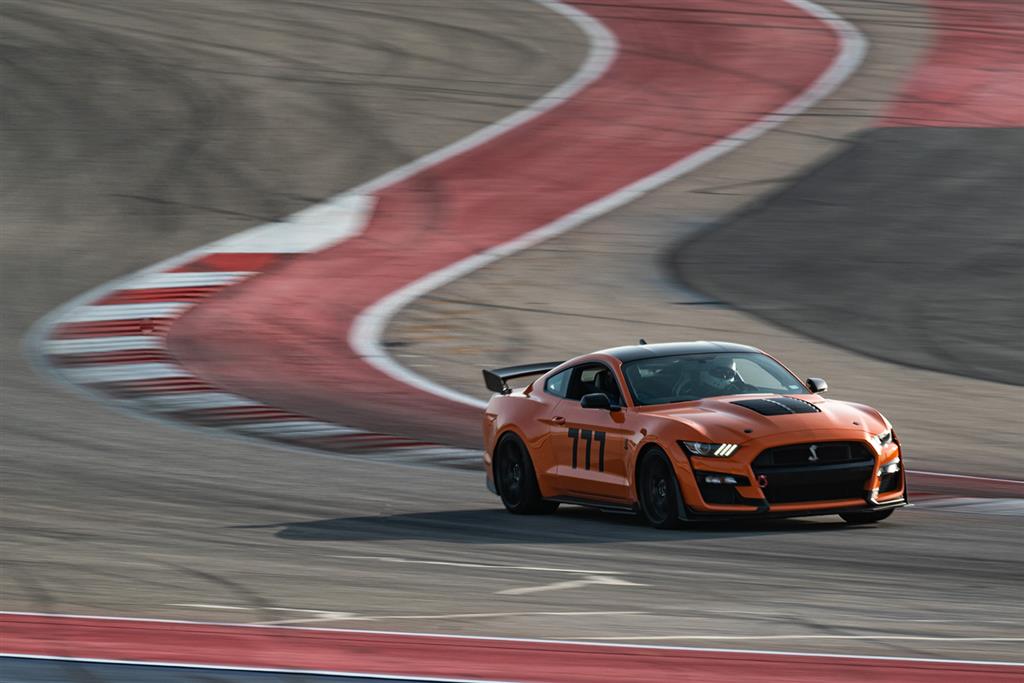
HPDE events are usually broken up into various driver groups to allow you to drive with those with similar HPDE experience. For most events, you will have a novice, intermediate, and advanced run group. Depending on the type of event, you may have rules that cover if and when you can pass others to ensure the safety of those on track.
Road Racing
Road Racing is exactly what it sounds like -
racing. Although there are similarities to HPDE, the biggest difference is going to be that you will actually be racing against others on track. The goal of a road racing event is winning, whether that be positions, lap times, or championships.
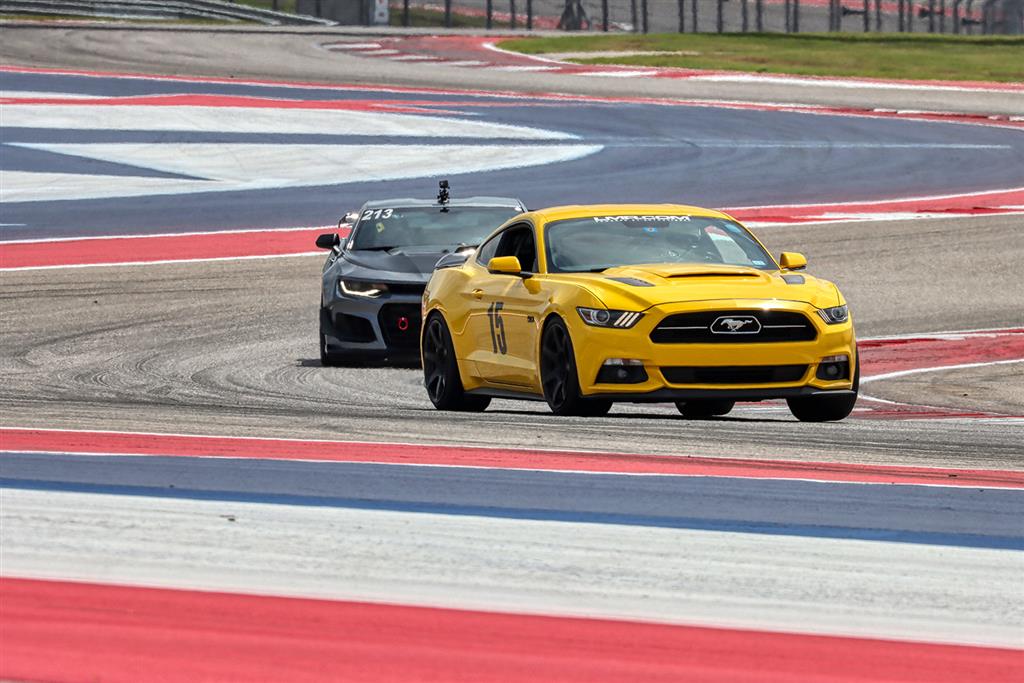
Think of HPDE as the driving school and road racing as game day. HPDE events are great for those who would like to stay non-competitive and build their skill level at their own pace. Road racing is for those who have the experience of HPDE and are ready to race competitively.
Why The Ford Mustang Is A Great Platform For HPDE/Road Racing
The debate on why road racing is more popular than ever for Mustangs can go on for days, but let’s discuss the simple fact that the Mustang has never been more capable than it is today.
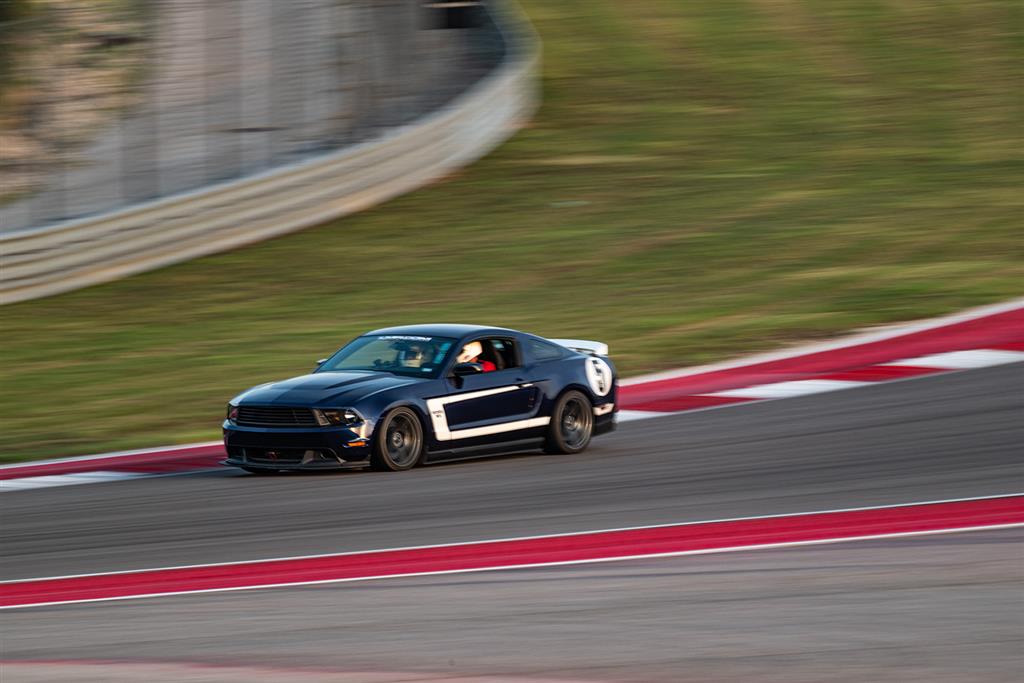
The Newer Chassis Supports It - The Mustang is no longer your uncle’s 10-second, straight-line
Fox Body. The S550 and S650 chassis, built from 2015-present, have wider track widths, independent rear suspension, better weight distribution, and more power than ever. This makes it easy for you to drive to an HPDE event, participate, and drive home with minimal mods.
Ford Now Builds Track-Focused Trims - It is no secret that Ford is all in on all things motorsports. With full race teams competing in all types of racing series, including GT3 events, Ford Racing has never been more active. Over the years, we have seen this influence factory track-ready vehicles such as the Boss 302, GT350, GT350R, Mach 1, and Dark Horse, to name a few.
HPDE Culture Is On The Rise - While road racing can be intimidating due to the competitive nature, HPDE is on the rise due to its approachability and simplicity when it comes to entering an event. Just about anyone can take their vehicle to an HPDE event, pay the fee, and test the limits of their car. You can find HPDE events at most local road course tracks, making it very easy to get into.
Value Vs Performance - Lastly, the Mustang provides a great value for the performance that you are getting. Most modern-day Mustang GTs are going to be equipped with a
Coyote Engine which will put down 350-450 horsepower easily. You can also opt for factory add-on options for Brembo brakes, lighter wheels, MagneRide suspension, Pilot Sport tires, and Recaro seats.
Choosing The Right Mustang For HPDE
If you want to get into HPDE but are not sure which Mustang is right for you, there are a few different questions you can ask yourself to help narrow down your choices.
Daily Driver Vs Dedicated Track Car
The first thing you need to consider is whether or not this will be your daily driver or a track-only car. Both have their pros and cons, so it is all about what works best for your budget and lifestyle.
Daily Driver
Most beginners will be starting HPDE with the
car they already own. Due to the power and driveability of most Mustangs, you can usually drive yours to the track, complete the event, and drive home with no issues. This also allows you more seat time and experience in your own vehicle.
Pros:
- Lower overall cost
- No need to buy/maintain a second car
- Familiarity with your own vehicle
Cons:
- More wear on street tires and brakes
- Can put you out of a car if you damage your vehicle
- Track prep still required (safety gear, fluids, tech inspection)
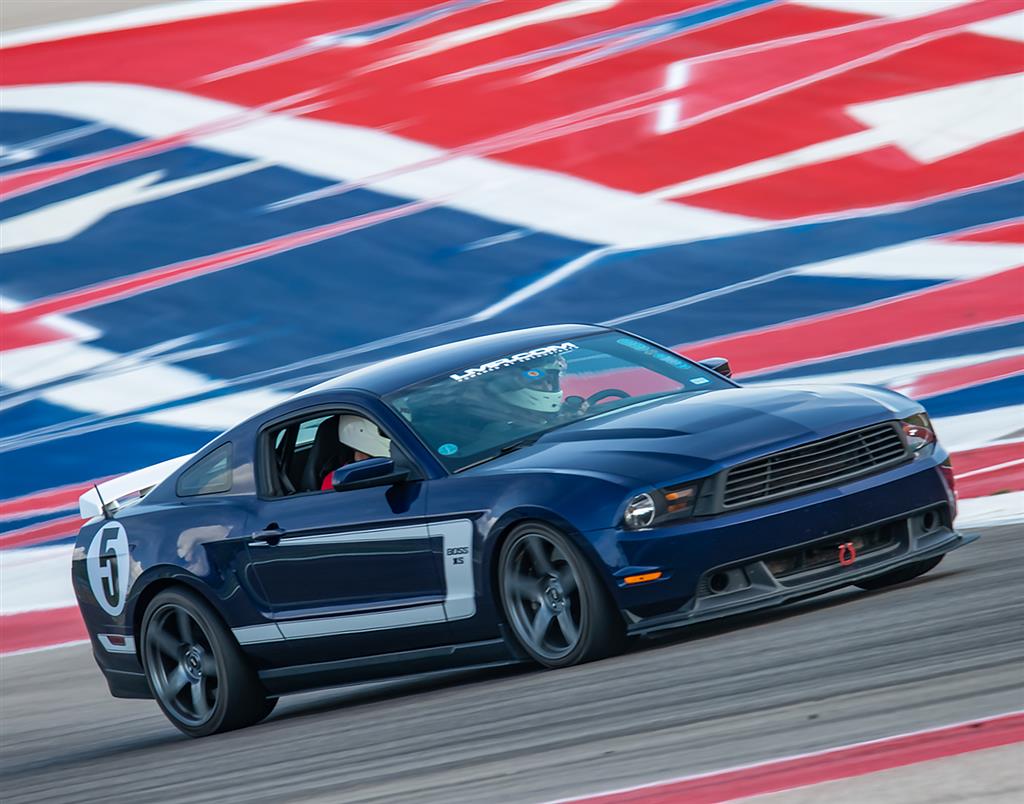
Dedicated Track Car
Having a dedicated track car allows you to make more serious modifications and reduce the stress on your daily driver. Depending on how deep you get into the sport, you can start adding modifications you wouldn’t normally have in a daily, such as roll bars, racing seats, and removing non-essential systems.
Pros:
- Easier to modify for HPDE
- Keeps stress off of your daily driver
- Lower insurance in most cases
Cons:
- Higher upfront cost
- Requires storage and maintenance space
- May require truck/trailer if you are unable to drive it to the track
Manual Or Automatic Transmission
For HPDE events, a manual transmission is preferred due to the direct control you have over the car’s behavior. However, this does not rule out automatics completely. It is completely up to you and how you prefer to drive in HPDE-style events.
Manual Transmission
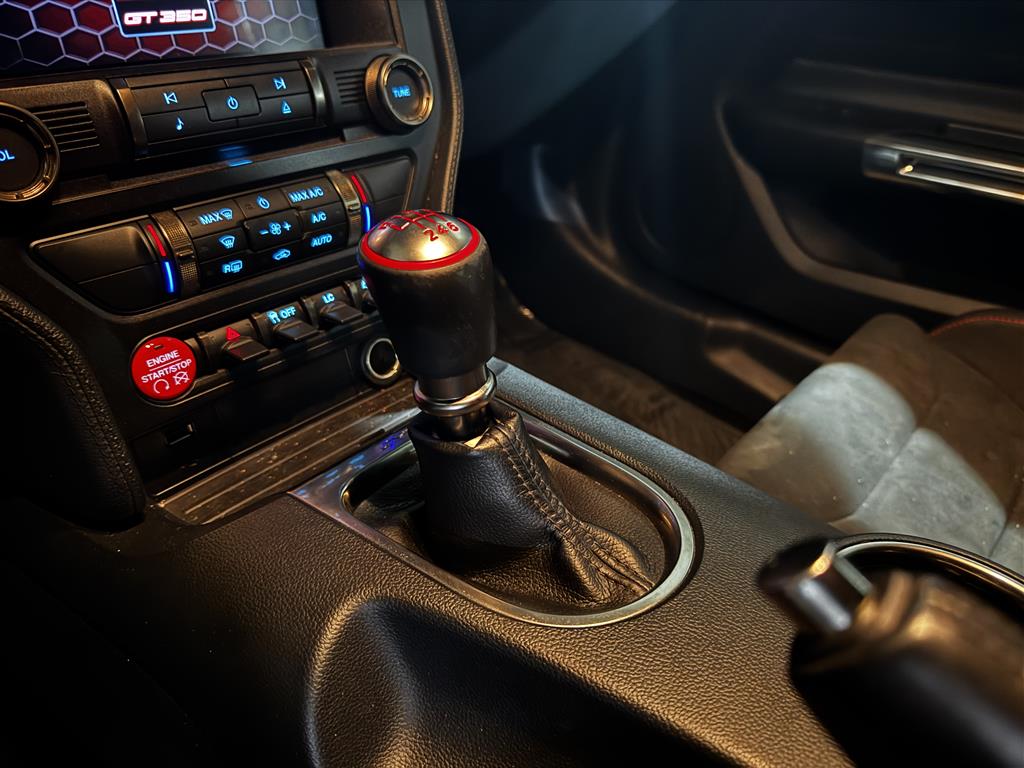
Most of the vehicles you see in HPDE and Road Racing events are going to be equipped with a
manual transmission. A manual transmission is going to allow you to control your speeds more easily, going in and out of turns. Manual transmissions are also lighter by design, giving you an overall lighter vehicle.
Pros:
- Better engagement and control of vehicle
- More modulation for braking and corner exits
Cons:
- Steeper learning curve for beginners
- Increased risk of mistakes by the driver
Automatic Transmission
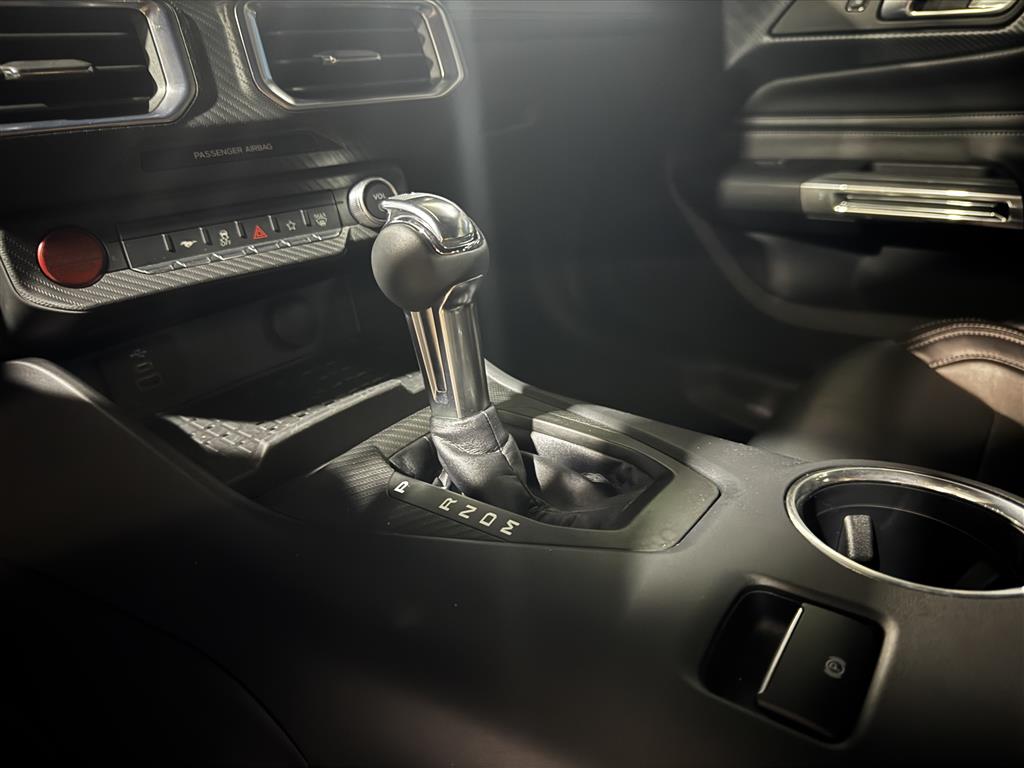
On modern Mustangs, the 6R80 and 10R80
automatic transmissions are leagues ahead of their predecessors. These 6 and 10 speed transmission shift quickly and protect the engine from over-rev, allowing drivers to focus more on lines and braking. While they are usually not a first choice for many HPDE drivers, they are still good for those who may own an automatic Mustang and want to try HPDE.
Pros:
- Fast, consistent shifts
- Easier for beginners to start learning HPDE
- A good option for endurance-style sessions
Cons:
- Less control over how the car performs
- Some drivers feel less connected to the car
Power and Performance Levels
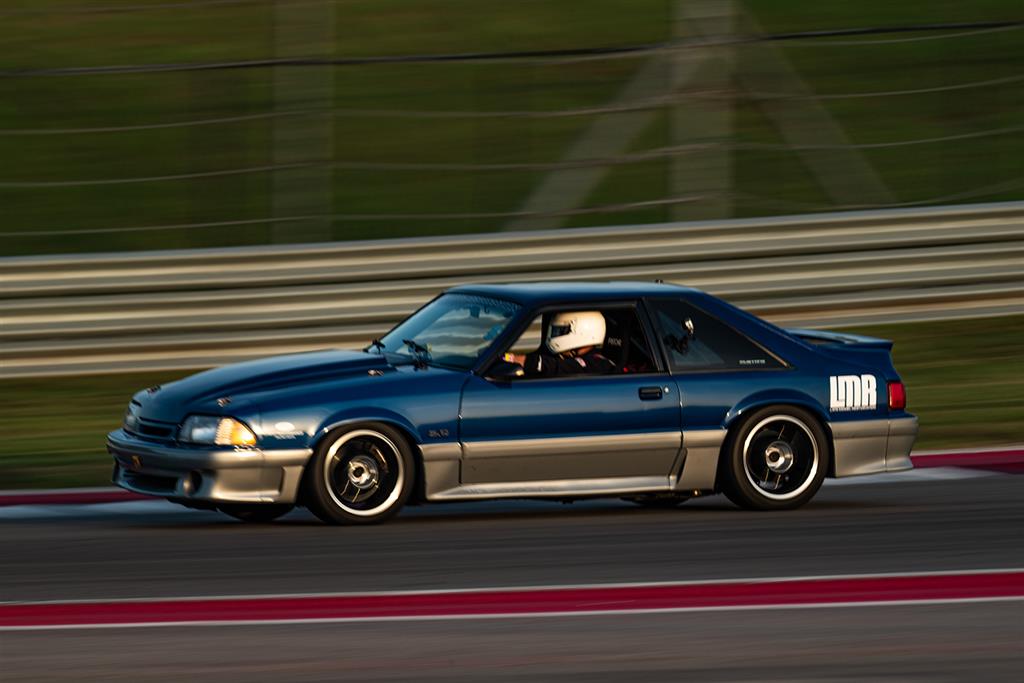
While you may think that more horsepower equates to faster times, that is not always true in HPDE and Road Racing events. What you will want to focus on is balance, handling predictability and driver improvement. You can have a 500-horsepower Coyote S550, but if you cannot control it, you could easily get passed up by a 200-horsepower Fox Body on the track.
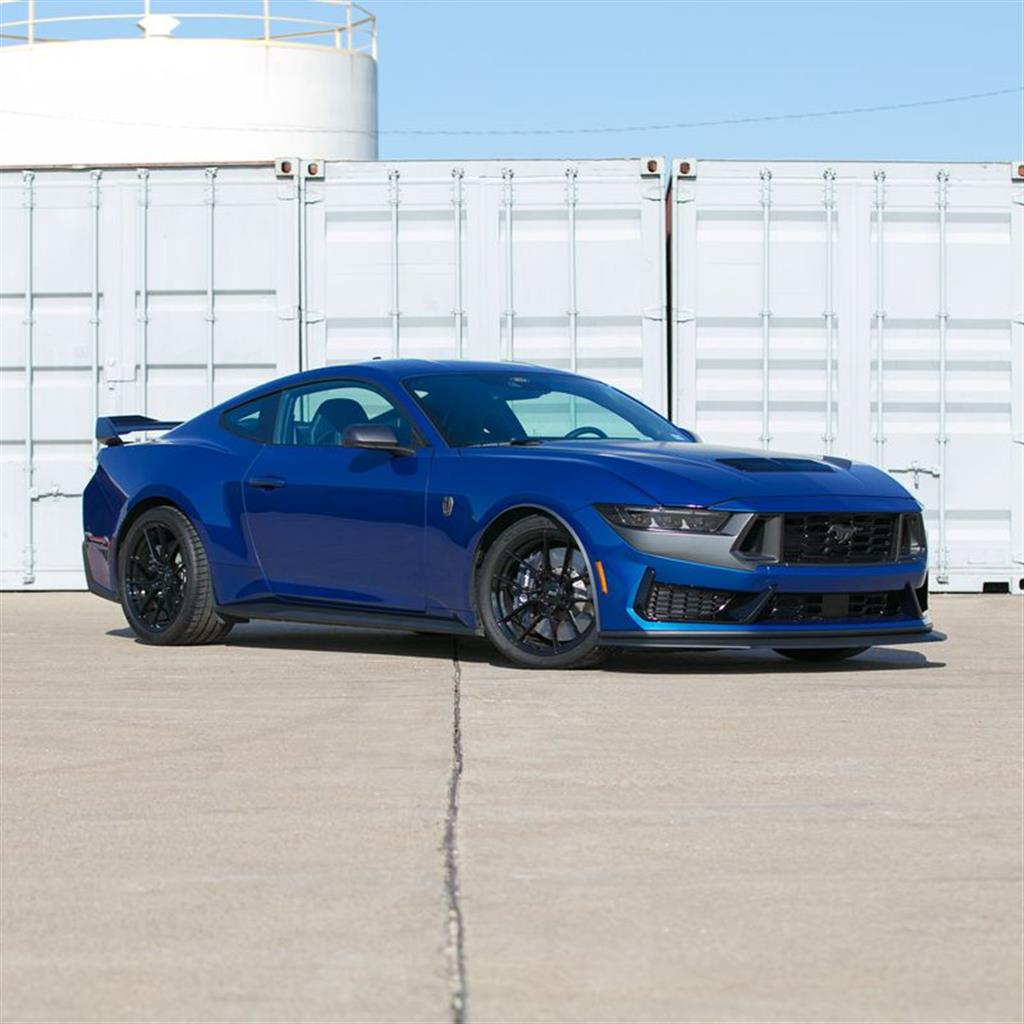
- V6/Ecoboost - These are going to be great for beginners who want to focus on skill development and are not concerned with power. While this is not one we would suggest going out to buy for a dedicated track car, it is a great starter car for those who may already have one and want to try HPDE.
- GT - The Mustang GT is the most commonly used track car due to its affordability and performance capabilities. From the factory, most GT’s are going to be ready to tackle a beginner HPDE event. With a few modifications and track time, you can easily be in the intermediate and advanced groups.
- (Track Focused) Boss/Mach 1/Dark Horse - While many of Ford’s track-focused factory vehicles do not see much track time, they are the perfect vehicle for those looking to attend multiple events a year. Ford designed these vehicles to be track-ready and handle the abuse of even the toughest run groups. These are the more expensive options, but if you plan on doing HPDE for years to come, these vehicles can save you both time and money.
Mustang Track Day Prep Checklist
Now that we have discussed choosing the best Mustang for HPDE, let’s assume you have your vehicle and have an HPDE event booked. It’s a few weeks out, so it’s time to start getting your Mustang ready and ensuring you have everything to have a fun and safe HPDE experience.
One of the biggest mistakes first-time HPDE drivers make is underestimating how demanding these events are on a car. This checklist covers the essential areas you should address before heading to the track.
Brakes
As one of the most important systems of a track car, your
brakes can make or break your track day, no pun intended. Road courses are winding tracks with anywhere from 10 to 20 turns, meaning you will be repeatedly slowing your Mustang from a high rate of speed multiple times on each lap. Factory brake systems on Mustangs are built for higher performance, but depending on your trim level and brake package, they may need to be evaluated before track day.
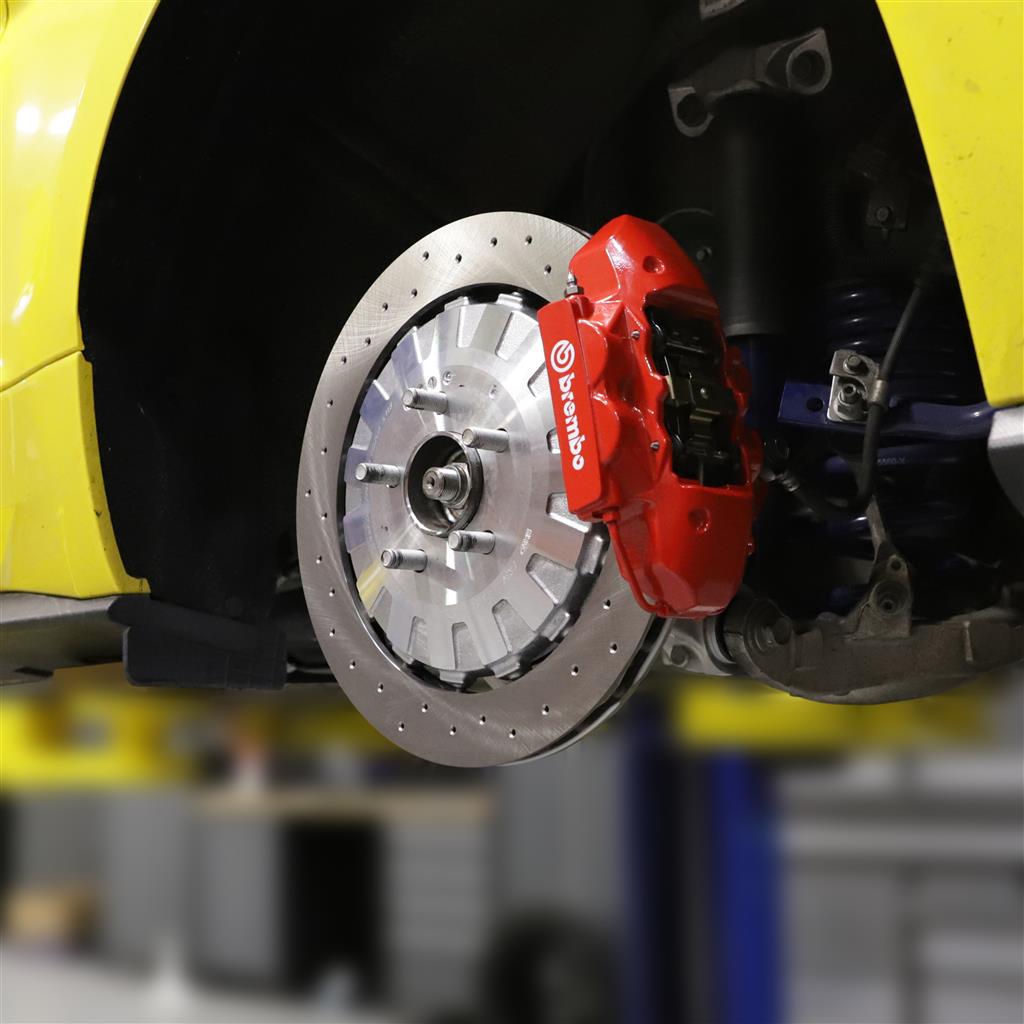
At the very least, you should inspect your brake pads and ensure they have enough life left on them and are in good working order before your HPDE event. Upgrading to a performance brake pad is one of the cheapest and easiest modifications you can do to get your vehicle ready for HPDE. Choose a brake pad that is designed to handle higher temperatures without fading.
Brake fluid is a commonly overlooked item, but it is just as important for vehicles that will be seeing track time. Factory brake fluid can boil under HPDE and Road Racing conditions, which can lead to a soft pedal feel or worse, a complete loss of braking performance. We suggest replacing the factory brake fluid with a high-temperature brake fluid before the event as cheap insurance to ensure your brake system is ready for the high demand.
Wheels & Tires
Tires are an overlooked component, as most HPDE enthusiasts who run their daily are having to use whatever tires are on their vehicle. Having a dedicated set of
wheels and tires can help ensure you have lighter wheels and better tires for your track day. Many times, the wheels and tires you want for daily driving are not the same as those you want for an HPDE event.
For HPDE, we suggest a set of strong, lightweight wheels, such as our forged SVE DHP1 Wheels. Whether you go with cast, flow-formed, or forged wheels, having lighter wheels reduces rotational mass, ultimately improving performance on the track. Forged and flow-formed are superior as they will usually take more thrashing when compared to cast wheels.
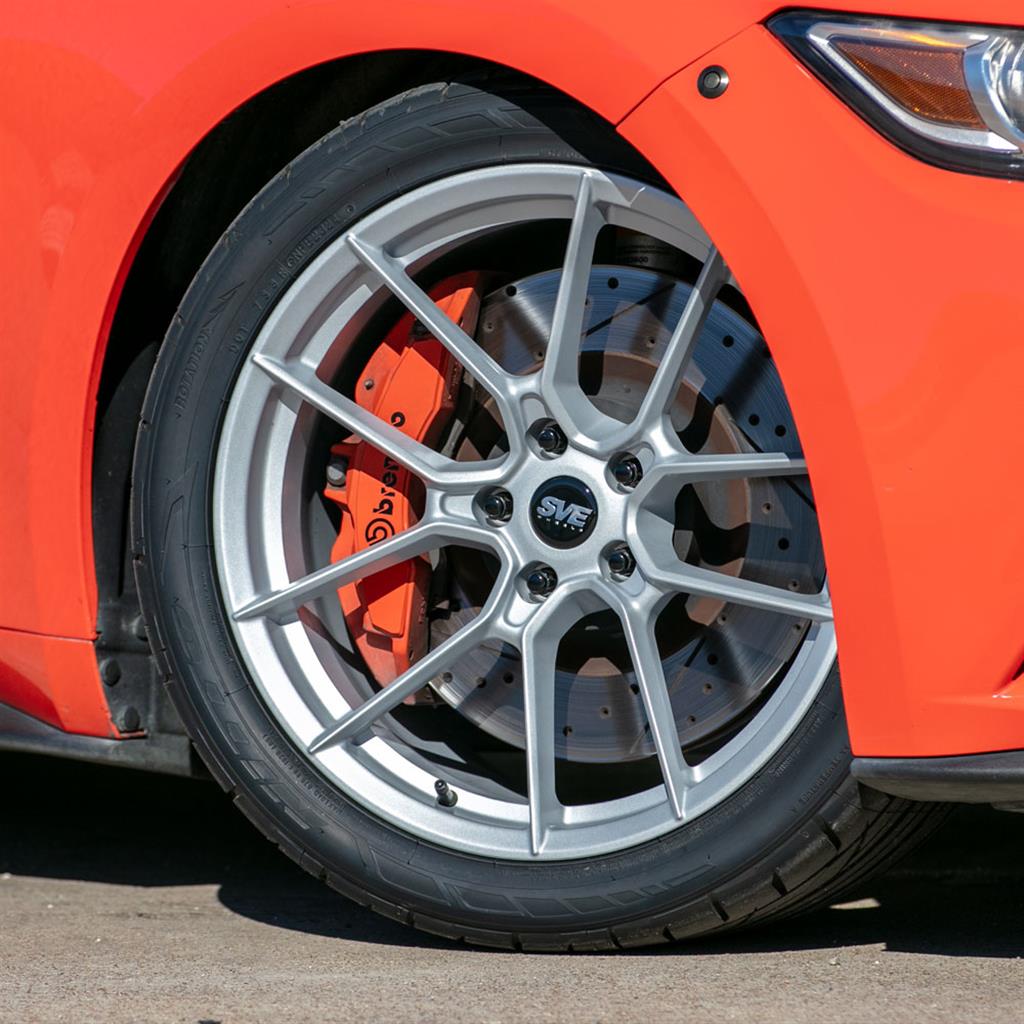
As far as tires go, you will want to go with a performance tire that is made for spirited driving. We suggest going with a 200 treadwear or lower street tire for optimum street-legal traction. Of course, the tire you choose is going to depend on your wheel size and what you want to get out of your tire, but for most, doing an HPDE event on your daily driving tires is not always a great idea.
No matter what route you go, you will want to make sure your wheels and tires are in good condition before each event. Check for cracks, leaks, tread depth, proper tire inflation, and proper torque on each lug nut when you prep your vehicle. This can save a lot of time, effort, and money on event day.
Suspension & Alignment
Suspension upgrades are one of the most impactful upgrades, but at the same time, they are not necessary for your first HPDE event. Most modern Mustangs have adequate suspension components to get you through the learning phase of HPDE and help you understand how your Mustang handles in factory form.
As you progress, you will start to understand more about what your particular Mustang needs to handle better in the corners. For example, if you are noticing more body roll than you would like, you can address this with an upgraded sway bar or by adding lowering springs, performance shocks, and struts.
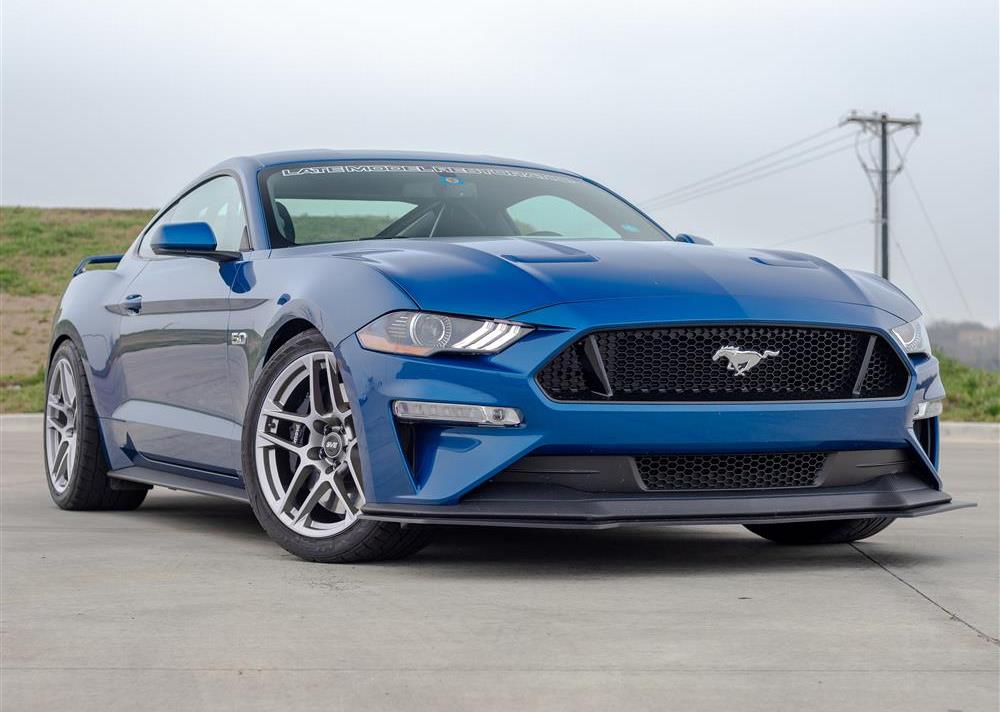
Alignment is often overlooked and can be a drastic improvement if done correctly. While this is a little harder on daily drivers without easy-to-adjust components, this is something you can easily have done on a dedicated HPDE car.
The most important thing here is to check over all of your suspension components when prepping your car for your HPDE event. Give your bushings and suspension a once-over for any unusual wear or loose hardware to ensure nothing needs to be repaired before you hit the track.
Cooling & Fluids
HPDE and track events in general generate a lot of heat. With the constant acceleration and braking, your engine oil, coolant, transmission fluid, and brake fluid are subject to higher than normal temperatures. Getting ahead of this is crucial to not only keep your vehicle mechanically safe on track day, but also ensure you do not cause any catastrophic damage.
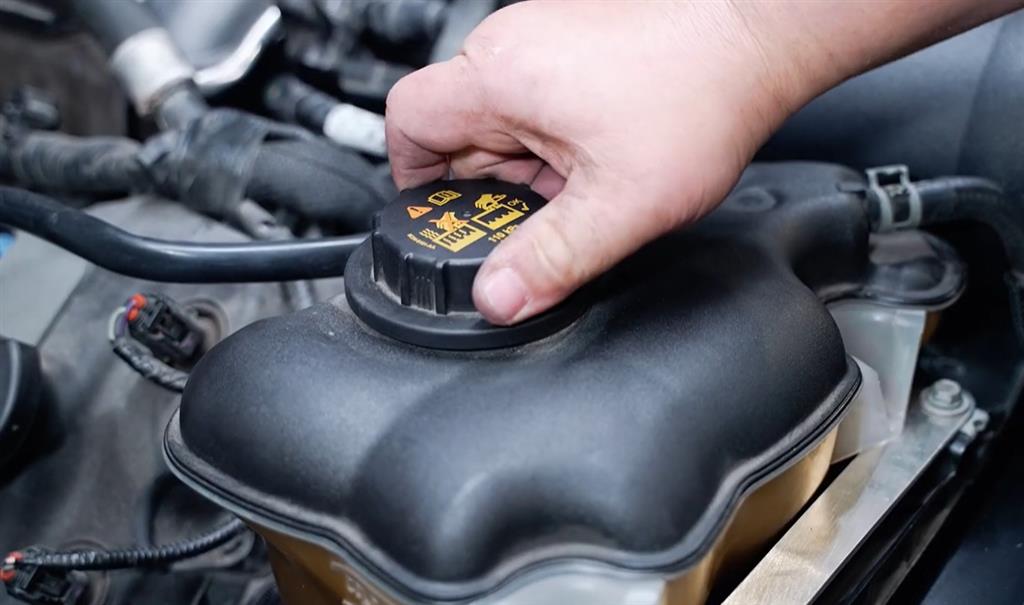
When prepping your Mustang for your next HPDE event, check over all of your fluids and either replace old and contaminated fluid or top off any clean fluids. If you have a dedicated HPDE Mustang, you could look into upgrading your fluids to a more performance-capable fluid. High-performance or Motul racing brake fluid are both great options for upgrading your factory brake fluid, which could be susceptible to boiling under HPDE driving conditions.
It is also highly recommended to check your fluid levels prior to the event, after your vehicle has adequately cooled, to ensure you do not have any leaks or fluid loss. This is especially important for those who are daily driving their vehicles.
Safety Equipment
Lastly, and most importantly, safety. Safety is taken very seriously at HPDE events, and most events are going to require a technical inspection before you are allowed on the track. Be ensuring that both you and your vehicle meet all of the safety requirements ahead of time, you will make tech inspections quick and stress-free.
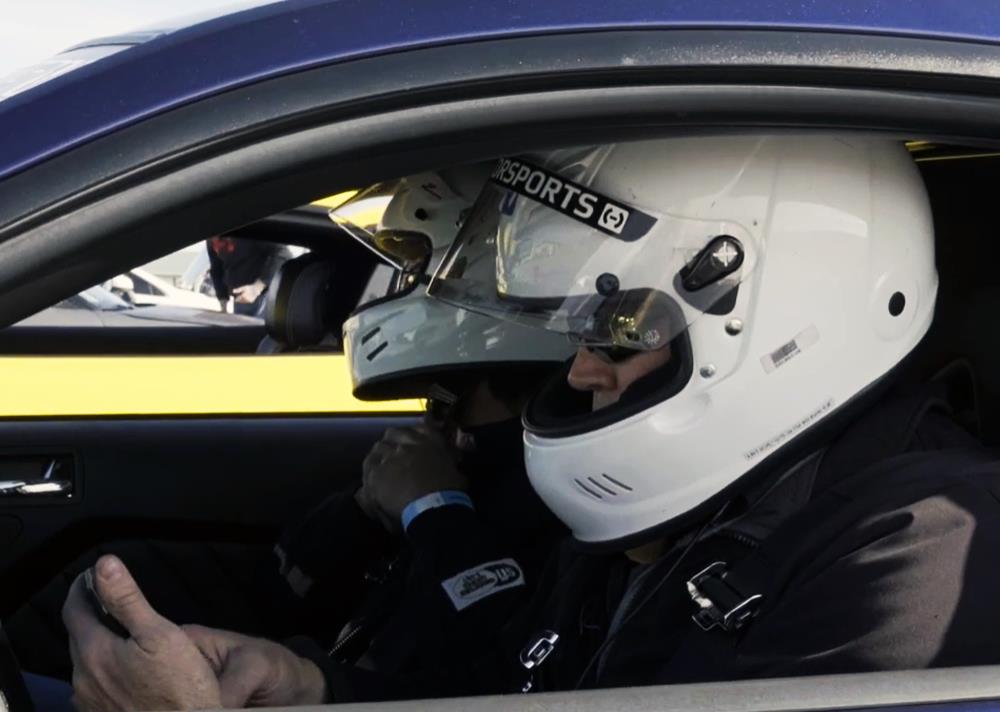
While you will not need a 4-point harness and roll cage for an HPDE event, you will need the basics, such as an approved helmet and seat belts that are in good working order. It is a good idea to put any loose items in the trunk and secure any cameras, track GPS systems, and tuners.
Better seats, harnesses, and track-specific safety equipment can come with time, but ensuring you are abiding by the specific event’s safety requirements is the most important component to keep you and other attendees safe.
What To Expect At Your First HPDE Event
Attending your first HPDE event can be intimidating, but we are here to let you know that it is completely normal to be a little nervous. You should always remember that HPDE events are designed specifically for beginners. From start to finish, these events are structured around driver safety, learning, and incremental progression.Having a good understanding of what to expect can help you arrive confident on track day.
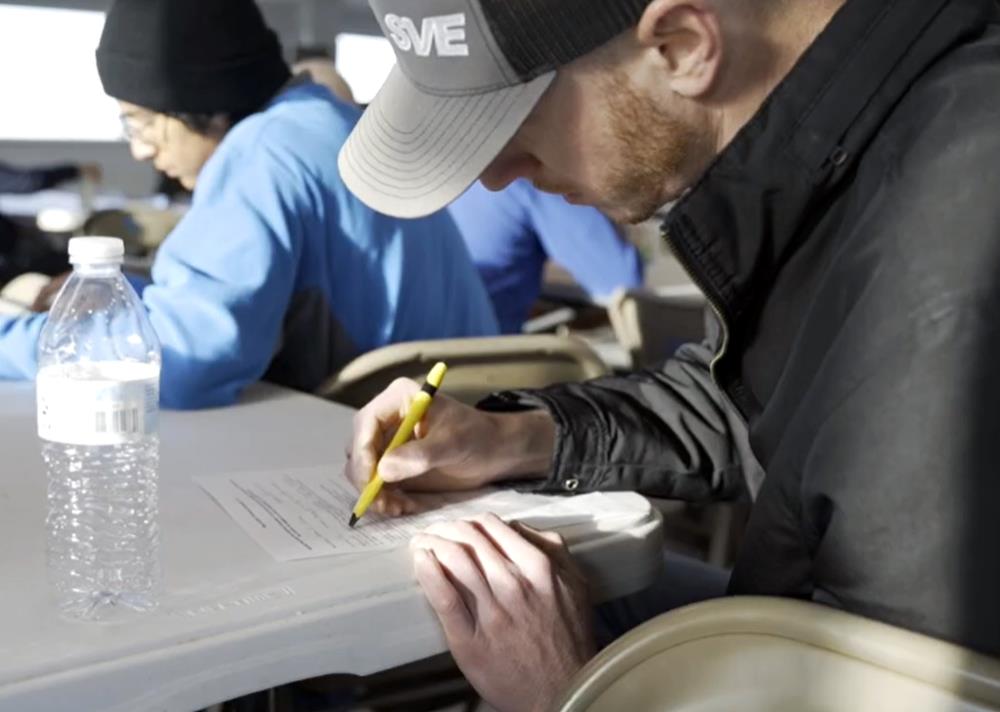
Arrival and Check-In
Most HPDE events are going to begin in the morning with a check-in and mandatory driver’s meeting. This is where you will sign waivers, receive your run group assignment, and go through tech inspection to ensure your Mustang meets all of the safety requirements for the track.
Getting On Track
If you are a beginner, you will be placed in the novice run group. For most events, you will have an in-car instructor and/or be restricted to a lead/follow session to learn the basics. You can expect sessions to last about 15-25 minutes, depending on the track, with multiple sessions throughout the day.
Passing/Flag Rules
The rules for passing will be clearly defined in your driver’s meeting. For novice groups, passing will most likely be restricted or allowed only in designated areas with a point-by from the lead driver. While you will be given instructions on what the flag designations are, it is important to watch them closely throughout your session to get a better understanding of how they are used.
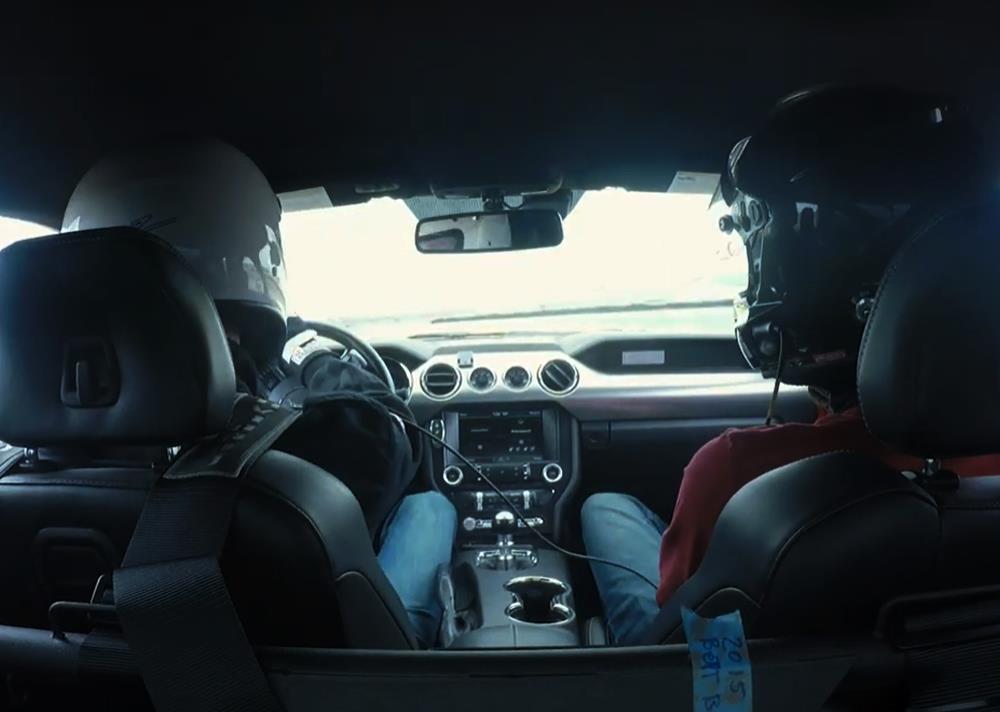
Maintaining Your Vehicle & Yourself
Between sessions, give your vehicle a once-over, checking tire pressures, fluid levels, and brakes to ensure everything is in working order. HPDE events can take a toll on these components, so checking them often between runs is critical. You will also want to stay hydrated throughout the event. The track gets hot, and on the warmer summer days, you will need to ensure you are drinking plenty of water and listening to your body before getting back into your vehicle.
Manage Your Expectations
Lastly, make sure you know what you want to get out of your first HPDE event. HPDE is all about progression - learning the track, understanding how your car handles, and building overall confidence in performance driving. By the end of the day, you will feel much more comfortable behind the wheel of your Mustang and have a new appreciation of what your car is capable of.
Costs Of Mustang Road Racing & HPDE
One of the biggest questions new drivers ask is: How much does it really cost? Well, the answer isn’t as clear cut as throwing out a specific number, so we will break this down a little easier. We will assume most first-time drivers will be using their own vehicle, so we will take that out of the equation and build this out accordingly.
Road Racing/HPDE Costs
- Event Entry Fee - $250-$600+
- This is going to be event/track dependent, but for most starting out on a local track, this is about where most will land.
- Safety Gear - $150-$600
- Helmet pricing can vary depending on what type/design you want, but most entry-level, Snell-certified helmets will be around $200
- Wheels & Tires - $800-$2,500
- While you can use your factory wheels and tires for free, it is always a good idea to have a dedicated set of wheels and tires for your HPDE events. These can range anywhere from $800-$2,500 new, depending on wheel and tire type.
- Brakes & Fluids - $200-$500
- At minimum, you are going to want some good, performance brake pads and high-performance brake fluid for track days.
Of course, there will be other costs as you upgrade your Mustang over time, but to get out and get started on your first track event, you don’t have to drop a ton of money. This has made HPDE more accessible for those wanting to get on track and push their Mustangs to the limit.
Building A Track-Focused Mustang Over Time With LMR
A mistake we see being made by many first-time racers is thinking they have to have a fully built track car on day one. This is a common misconception, and it is actually better to build your Mustang in stages as your experience grows. After each track day, you will gain a better understanding of your vehicle, how it handles, and what the weak points are. From here, you can gradually mod your Mustang to best suit your needs. Let’s break this down in stages that we here at
LMR would suggest for a beginner.
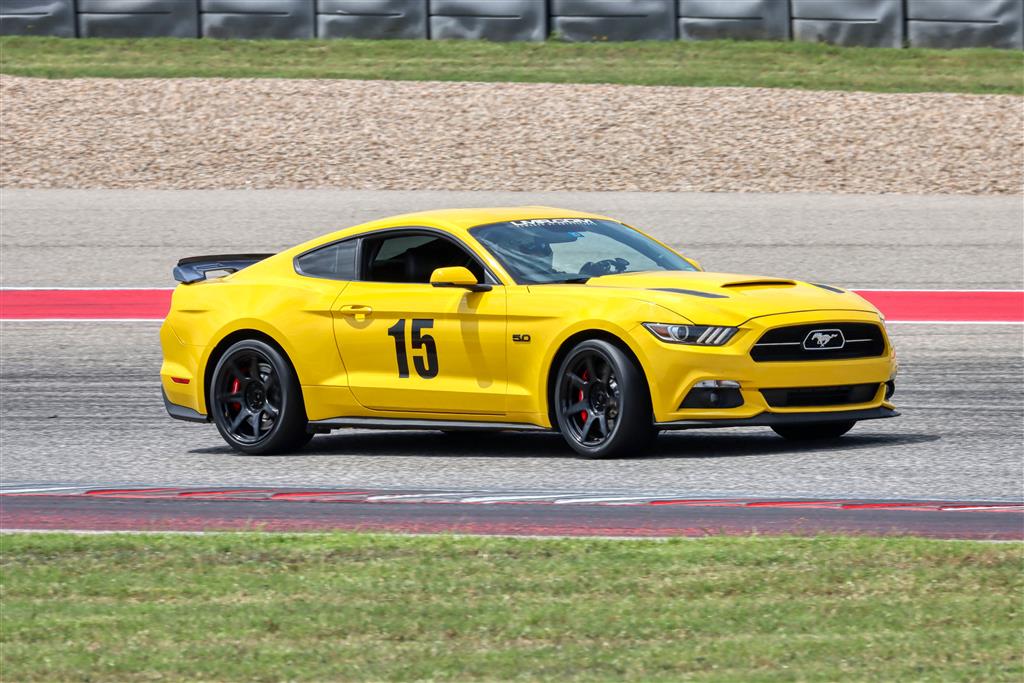
Stage 1: Tires and Brakes
With most modern Mustangs having enough power from the factory to get you started in HPDE or Road Racing, we suggest tackling the tires and brakes first. A good performance tire can drastically improve the grip and predictability of your car on track. While you do not necessarily need wheels, it makes it easier to swap over to dedicated tires with an extra set of wheels.
As far as brakes are concerned, if your Mustang is equipped with a better brake kit from the factory, a simple brake pad upgrade would be the best mod you can do. If you have a base model vehicle or an older Mustang with inadequate brakes for track days, you may look into an upgraded Mustang brake kit.
Stage 2: Suspension and Alignment
Road Racing and HPDE driving require good suspension to handle correctly on the track. After a few events, you will start to understand where your car’s suspension can be improved. Simple first mods can include upgrades, shocks, struts, and lowering springs, while more advanced modifications could be coil-overs, sway bars, and adjustable camber plates for better alignment on track day.
Stage 3: Engine Cooling
This one will be more vehicle-dependent, as most of the modern Mustangs can take the beating, but for you, Fox and SN guys, this may be more important. With spirited driving on a hot track, everything in your engine is going to heat up, meaning you will need a good cooling system to handle it. Upgraded radiators, transmission coolers, differential coolers, and oil coolers are great upgrades.
Stage 4: Performance Upgrades
Now we are on to the fun stuff. Once you have some seat time on track and have built the foundation of your HPDE-ready Mustang, now is the perfect time to start adding some power. Power modifications can come in various ways, so choose what is best for your specific vehicle and what helps aid your overall goals for the car.
HPDE vs Road Racing - Which Is Right For You?
Now that we have looked at the aspects of HPDE and Road Racing, which is going to be right for you? While both will share many of the same qualities, the big difference here is going to be experience and commitment level. Since these two terms are often used interchangeably, it is important to remember that HPDE is all about learning your vehicle and driver development whil road racing is very competitive and you will be actually racing other highly-experienced drivers.
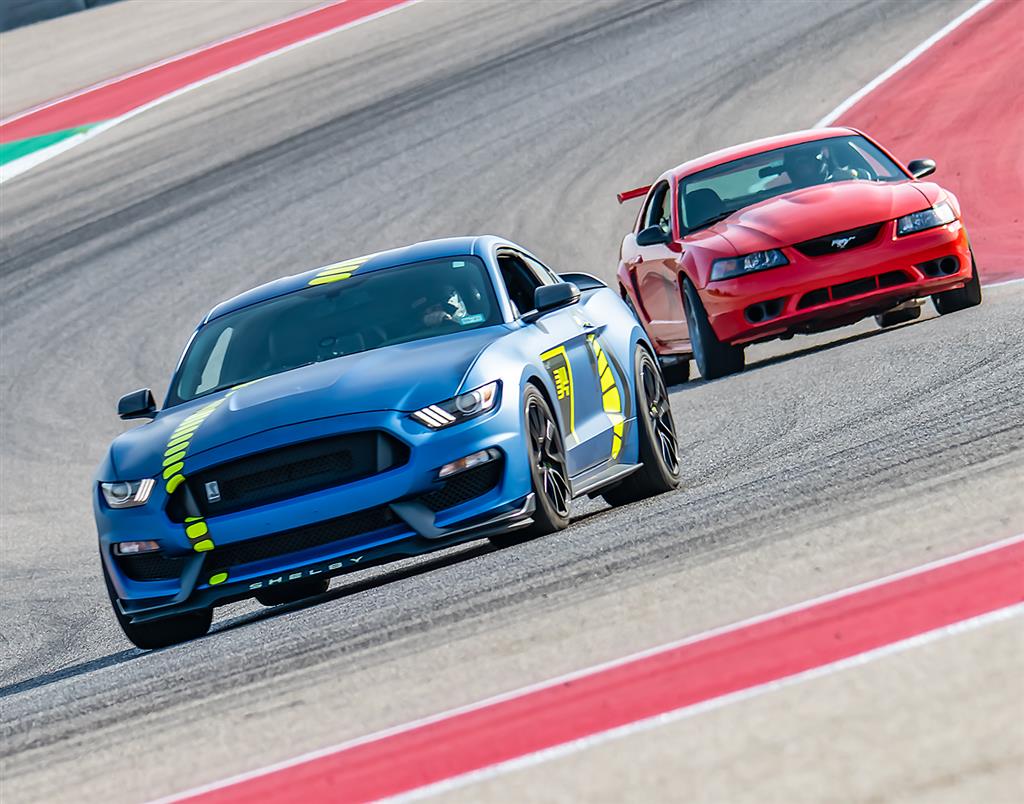
For beginners and those who are looking to simply develop better driving skills in their own car without the stress of competition, HPDE is the way to go. With HPDE, you can progress at your own pace, enjoy your Mustang’s performance, and hone in on your skills without the added stress of competition.
If you have been doing HPDE for a while and feel that you are ready to take your driving to a new, competitive level, road racing is your next step. This is the stage where you will most likely want a dedicated track car or at least a backup vehicle in the event something were to happen on track.
Frequently Asked Questions About Mustang HPDE
Q: Can I Take A Completely Stock Mustang To An HPDE Event?
A: Yes. Most first-time drivers who attend HPDE events are driving stock Mustangs. As long as your Mustang is mechanically sound, can pass tech inspection, and you have the proper safety gear, you can participate.
Q: How Do I Find HPDE Events Near Me?
A: A great resource for finding local HPDE events is
Motorsport Reg. You can easily search for your next motorsport within a certain distance of a location.
Q: Is HPDE Hard On My Mustang?
A: Track driving does put more stress on your vehicle than normal daily driving use, especially the brakes, tires, and fluids. However, with the proper preparation and parts, your Mustang can easily be capable of handling multiple HPDE events a year. Routine maintenance and inspections are key to keeping your Mustang performing at its best.
Q: Do I Need Racing Experience To Participate?
A: Not at all. HPDE is designed to put beginners on track and have them progressively get more comfortable with their vehicle. You are there to learn, not compete.
Q: Is HPDE Safe?
A: HPDE events are heavily structured with safety as the top priority. Controlled passing zones, instructor oversight, driver meetings, and strict flag rules all help minimize risk. While motorsports always carry some level of risk, HPDE is one of the safest ways to experience high-performance driving.
Final Thoughts: Why Every Mustang Owner Should Try HPDE
As avid HPDE fans, we here at LMR are a little biased, but strongly believe anyone remotely interested in HPDE should give it a shot. We aren’t talking about diving into a full track setup on your vehicle, but at least try one event to see how you like it. The Ford Mustang is a great platform to start with, and you do not need much to get started, especially with the newer S550 and S650 platforms.
We will admit, it can be pretty addictive once you start, so when you are ready to get your vehicle ready, we will be here with all of the parts you need to get started!