


1994-04 Mustang Parts
When swapping a T-56 transmission into your 1999-2004 Mustang, there are a few things you need to remember. LMR walks you through the key areas to take into consideration before you do your swap.
When the New Edge Mustang was introduced, the T-45 transmission was great for what it was intended to do: be a dependable daily driver. Even in 2001, when the TR-3650 was introduced, those who were modding their Mustangs could depend on this transmission to handle the power they were throwing at it. Fast forward to late 2002, when Ford introduced the 2003 SVT Cobra, we saw yet another transmission be outfitted into the New Edge platform: the 6-speed T56 transmission.
Due to the high factory horsepower of the supercharged 4.6L in the 03-04 Cobra, Ford needed a transmission that could handle the extra power and have an extra gear, following suit to many high-horsepower vehicles of the time.
So, like most enthusiasts, Mustang owners were quickly figuring out how to swap in a T-56 into their New Edge Mustang for a more budget-friendly and more reliable transmission versus having their T-45 and 3650's beefed up. They quickly realized it wasn't as easy as just dropping it in and calling it a day, there were a few steps you had to take to make the swap happen.
Today, we are going to look at the steps we took to swap a T-56 transmission into a 1999 Cobra.
Additional “While You’re In There” Parts:
If you plan to upgrade your shifter without dropping the transmission later on, we strongly recommend installing your preferred shifter before performing the swap. Doing this up front saves time and prevents unnecessary frustration once everything is bolted back into place.
To further improve clearance in the tunnel, we also suggest using button-head bolts on the shifter. Their low-profile design gives you a little extra room where space is already tight.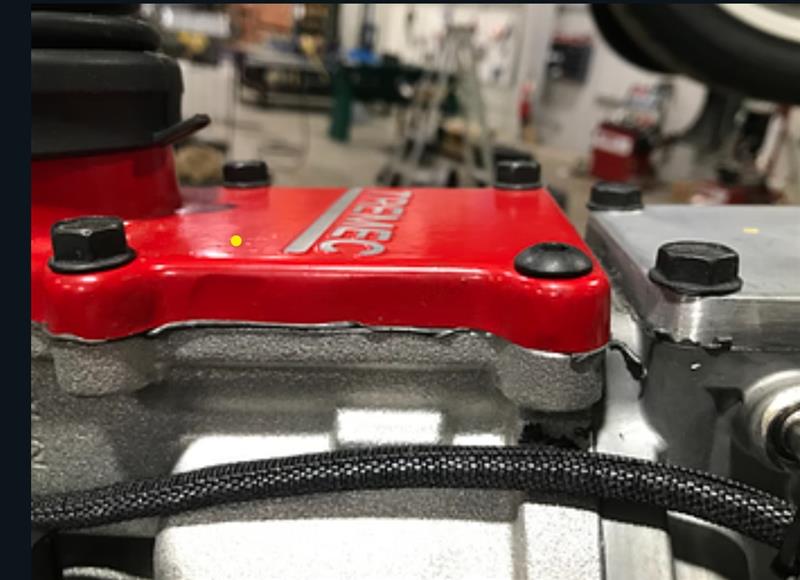
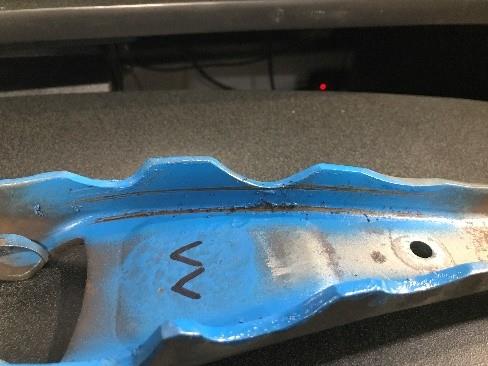
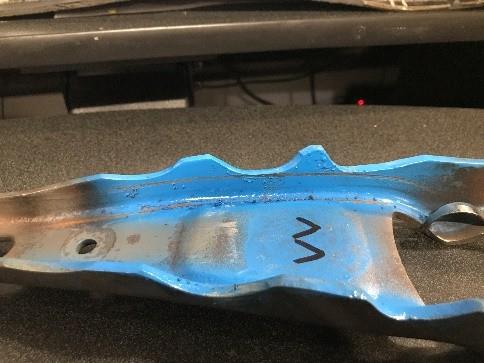
However, even with button-head hardware, you’ll still need to create additional clearance for the forward-most shifter bolts. On standard-model cars, the transmission tunnel is constructed using a double-layered sheet-metal section. You’ll need to carefully remove a small portion of the upper layer to ensure the shifter assembly clears properly and doesn’t make contact during operation.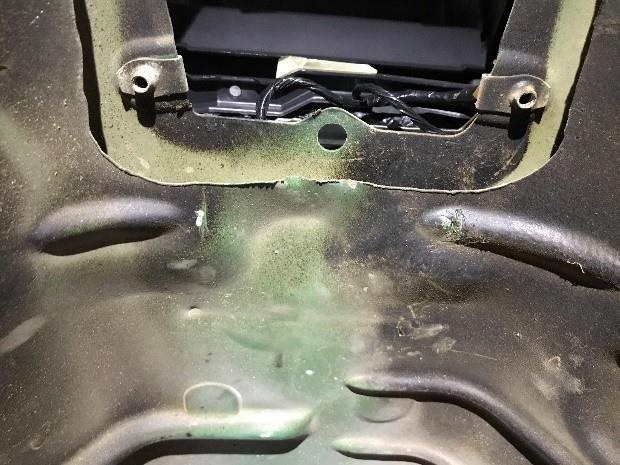
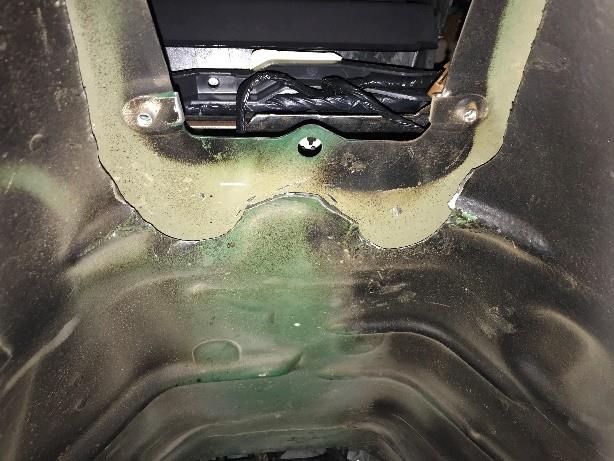
Transmission Casing Clearance
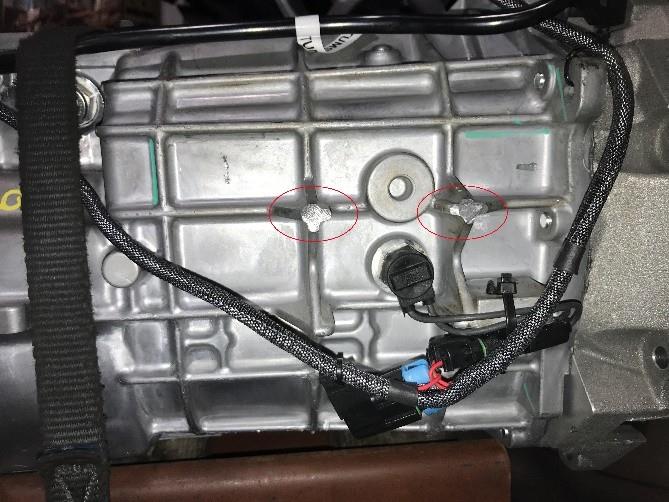
You will also need to trim down the two small tabs on the transmission casing that surround the reverse-light switch. These tabs are designed as protective guards, but in this application, they sit too close to the transmission tunnel. If they are left unmodified, they will make contact with the tunnel during installation, potentially causing fitment issues or unwanted noise. A quick trim ensures proper clearance and a clean final fit.